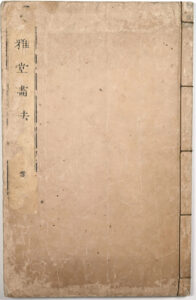
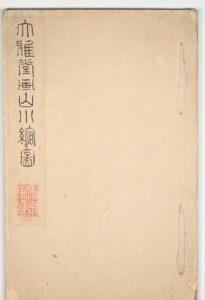
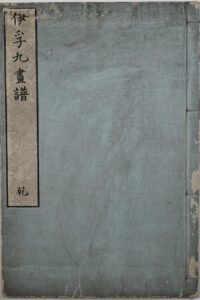
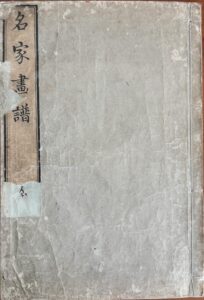
Cover Title
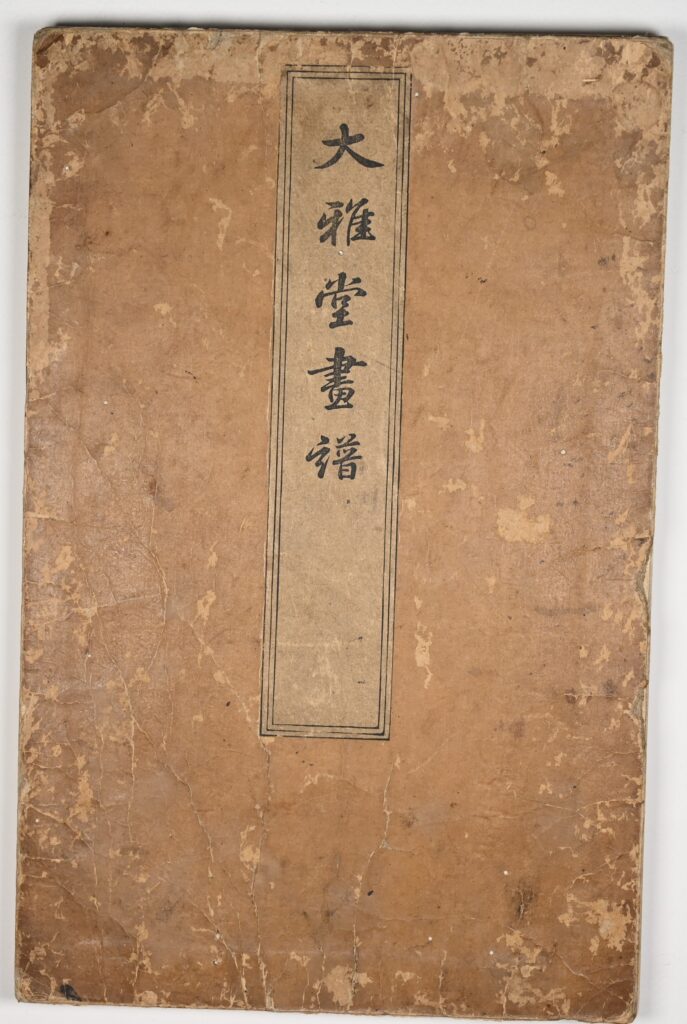
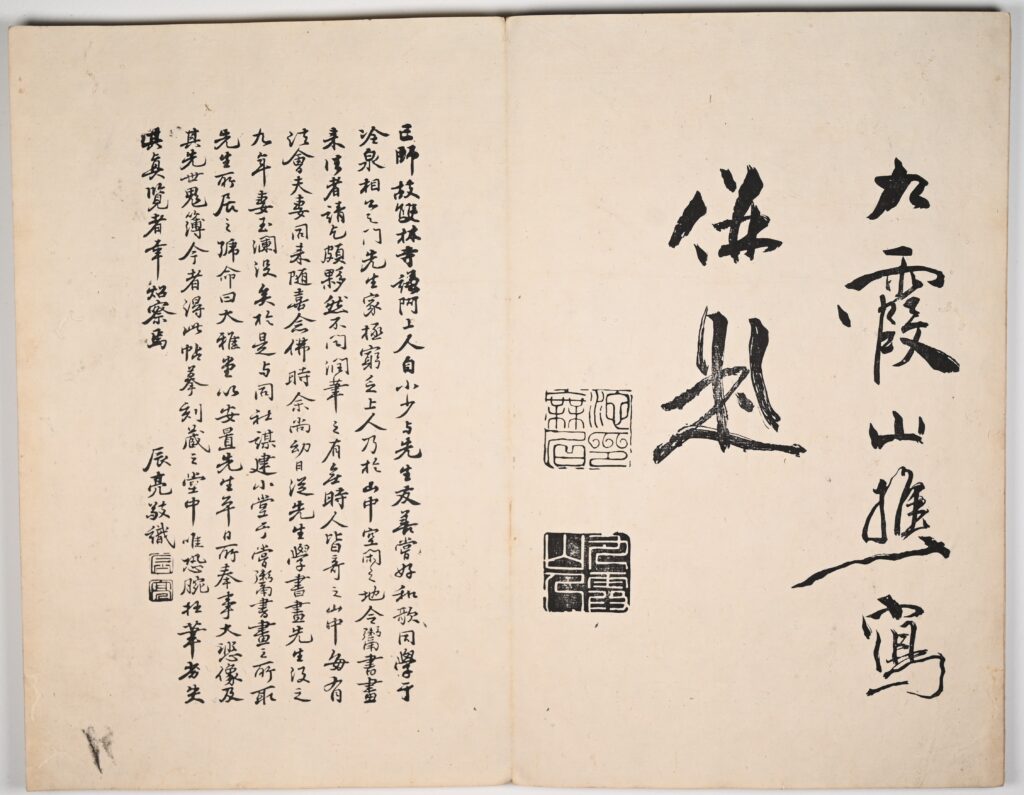
Taigadō gafu 大雅堂画譜 (Taiga Hall Painting Album)

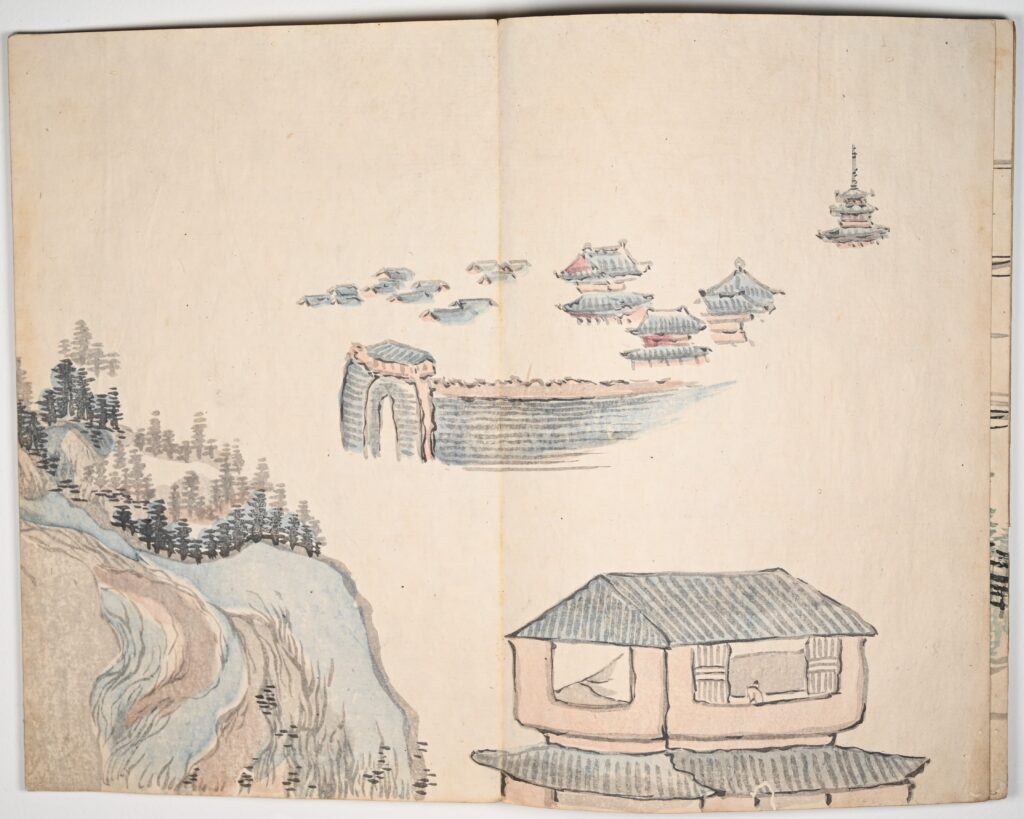
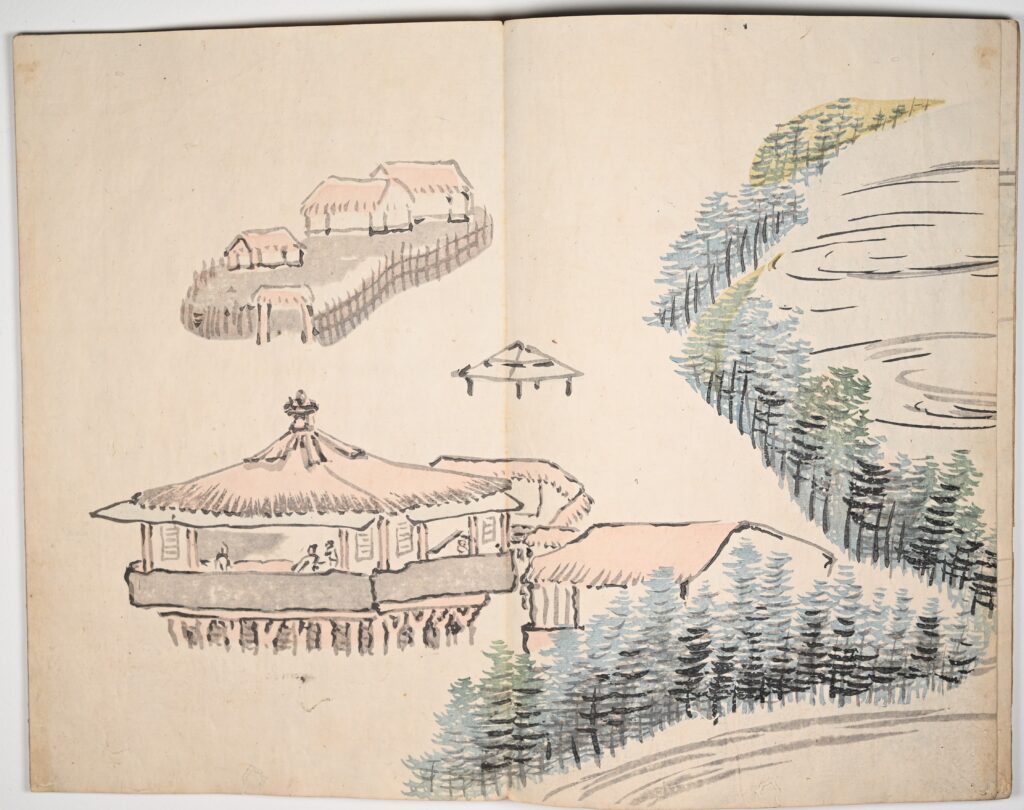
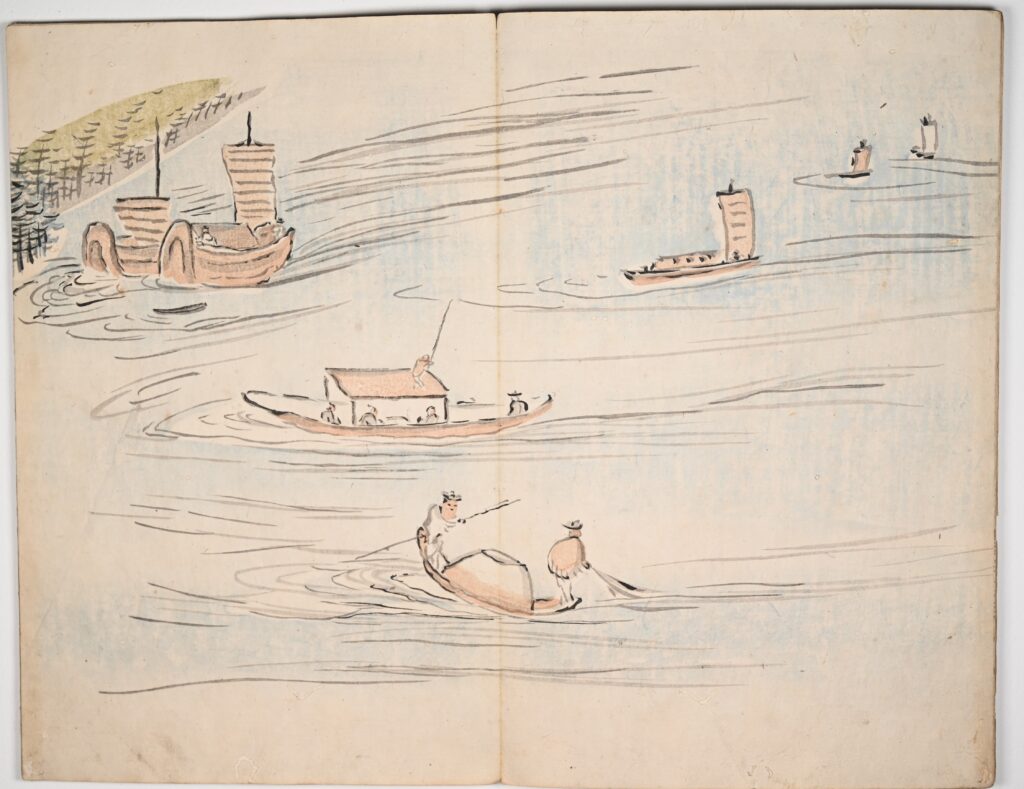
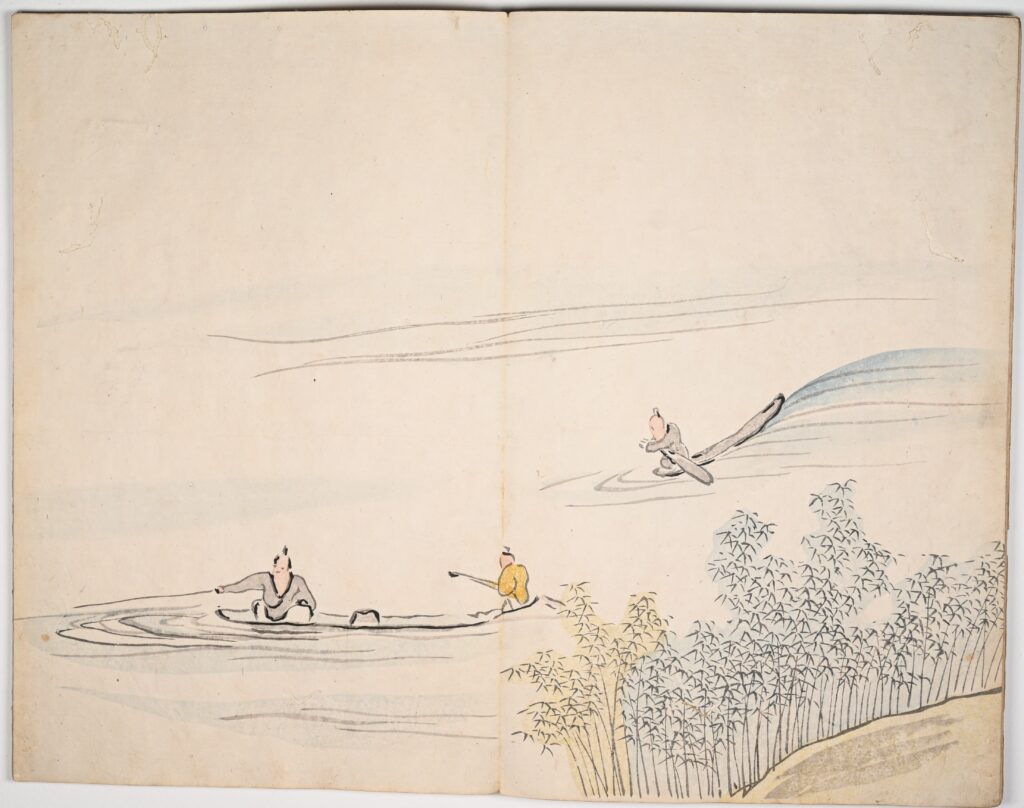
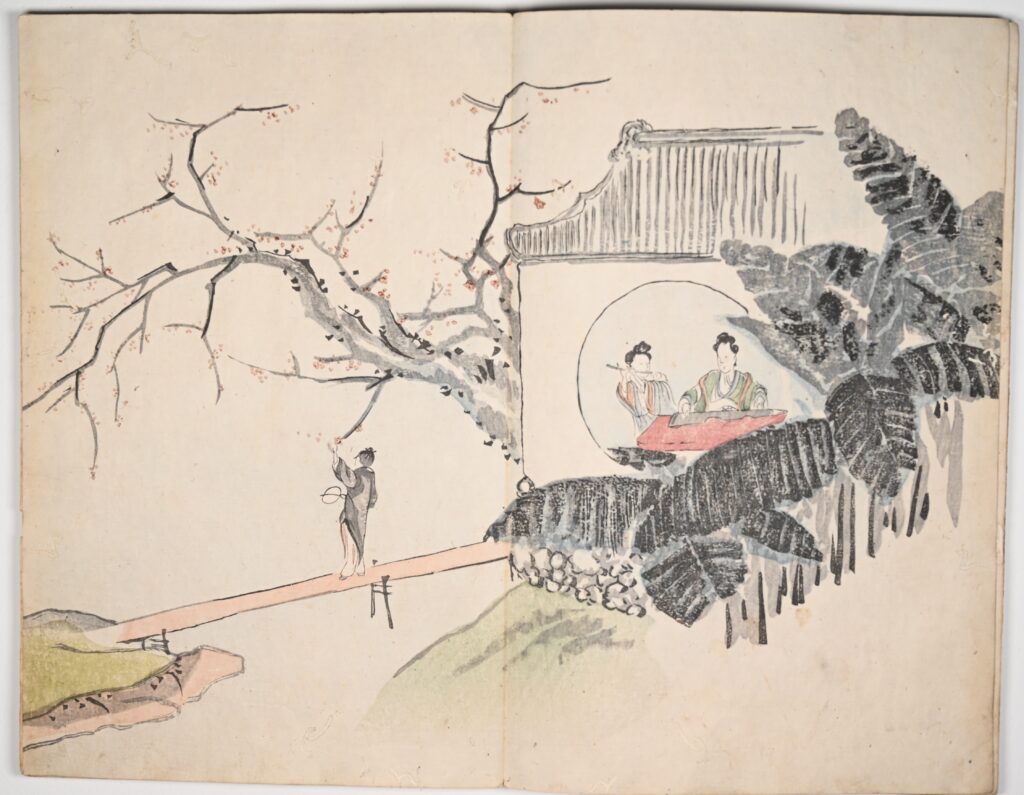
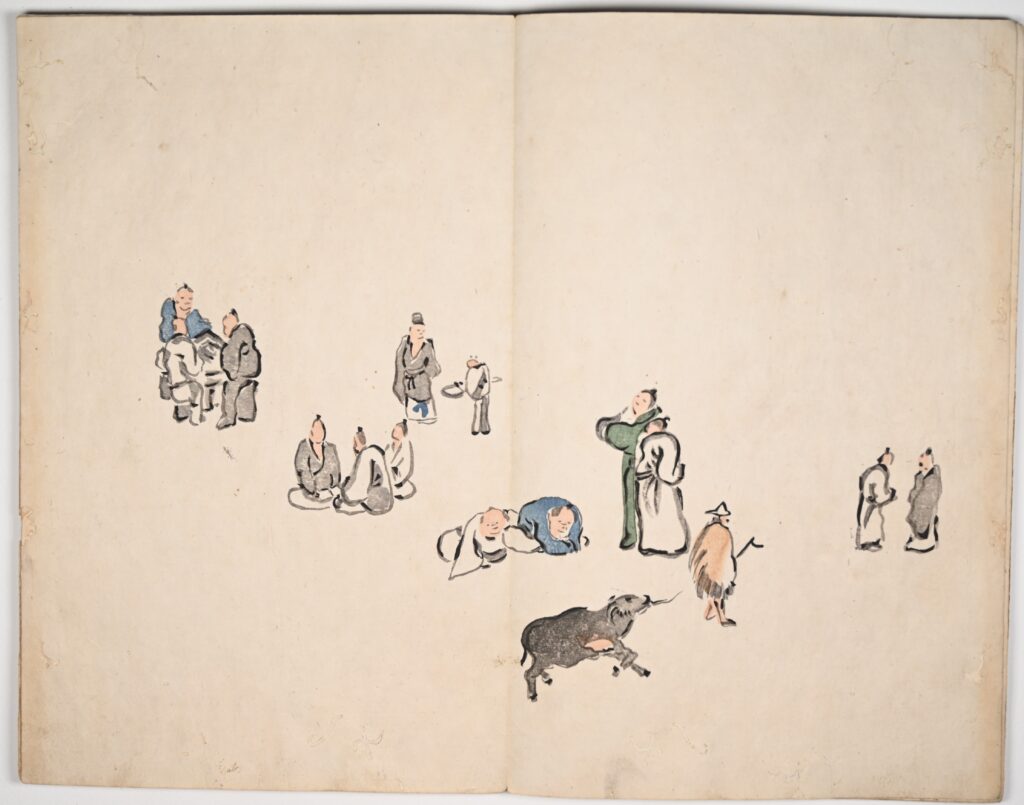
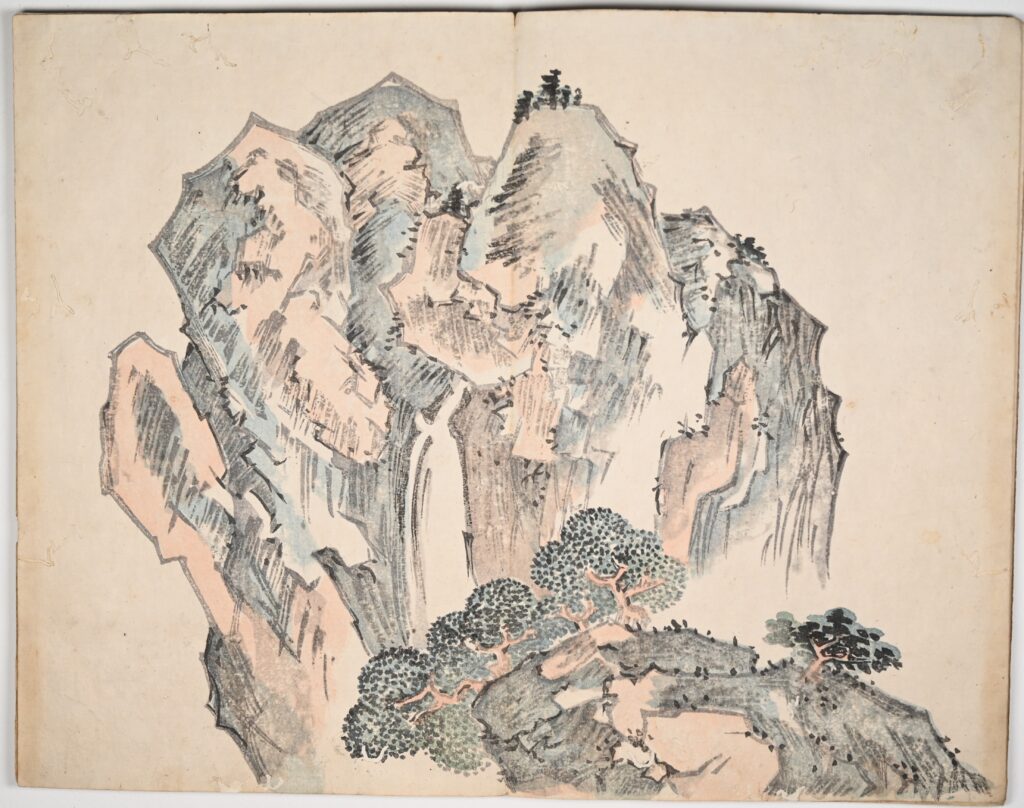
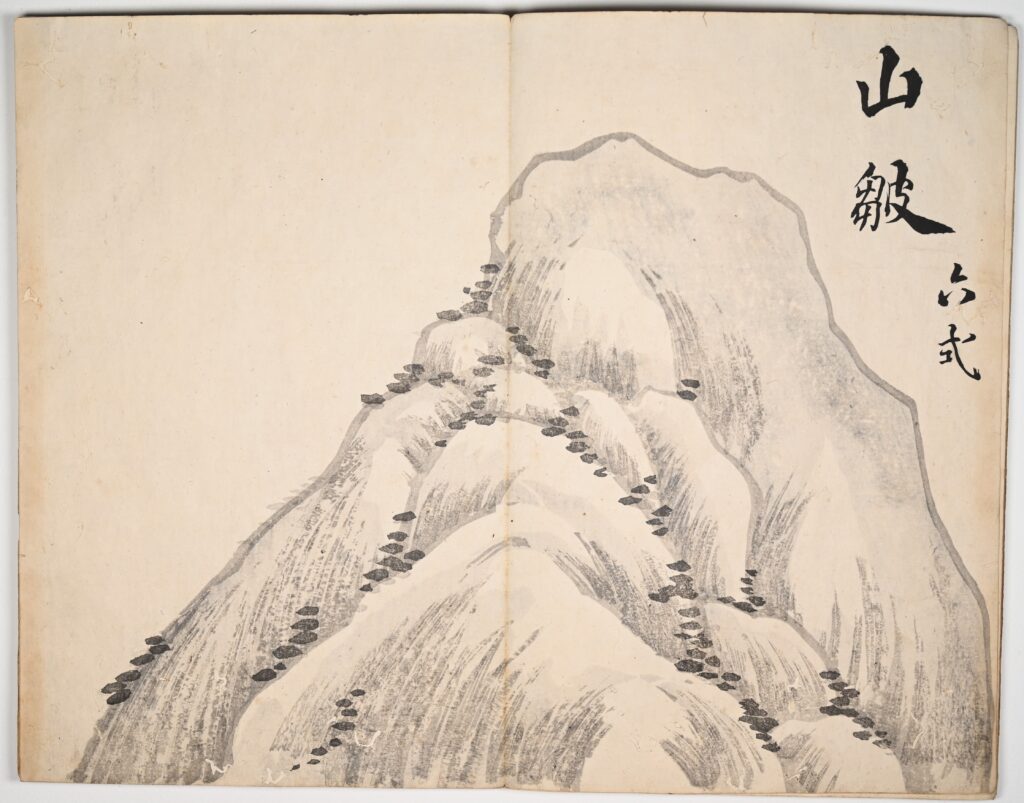
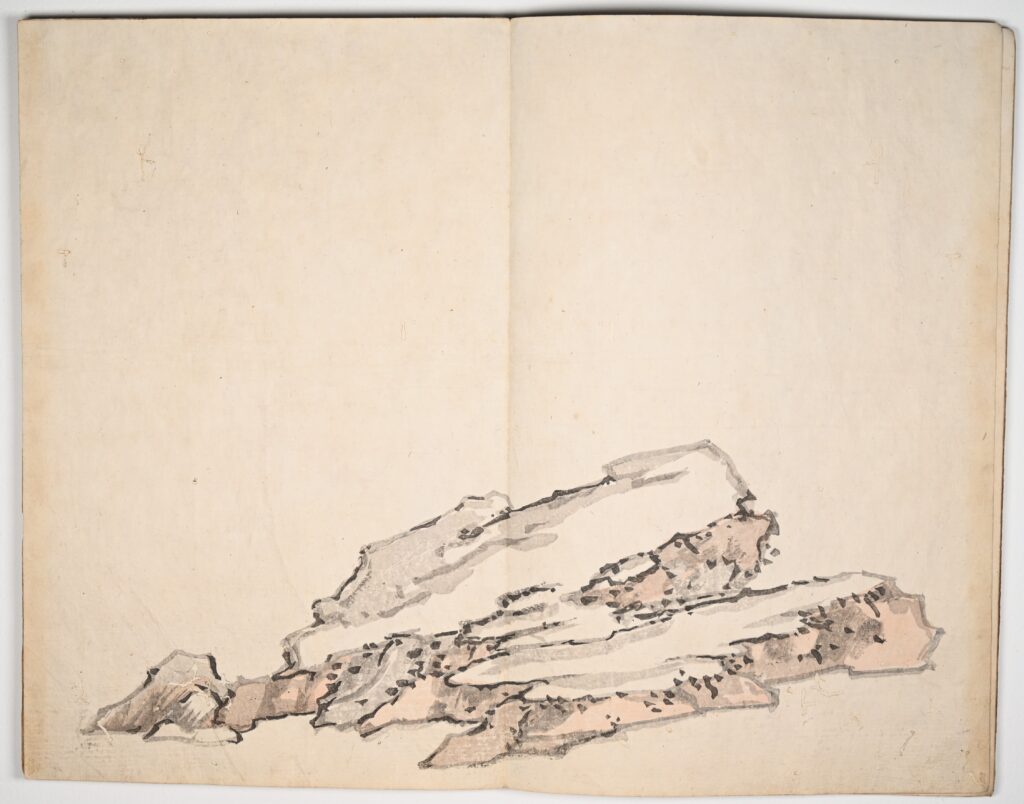
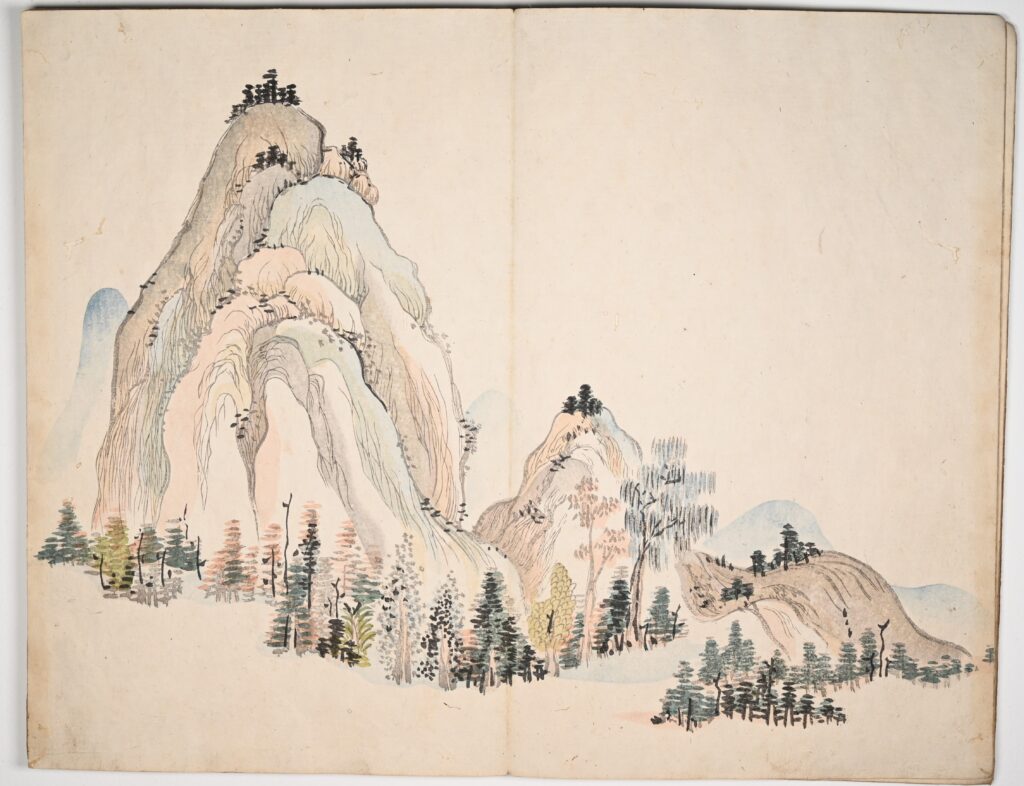
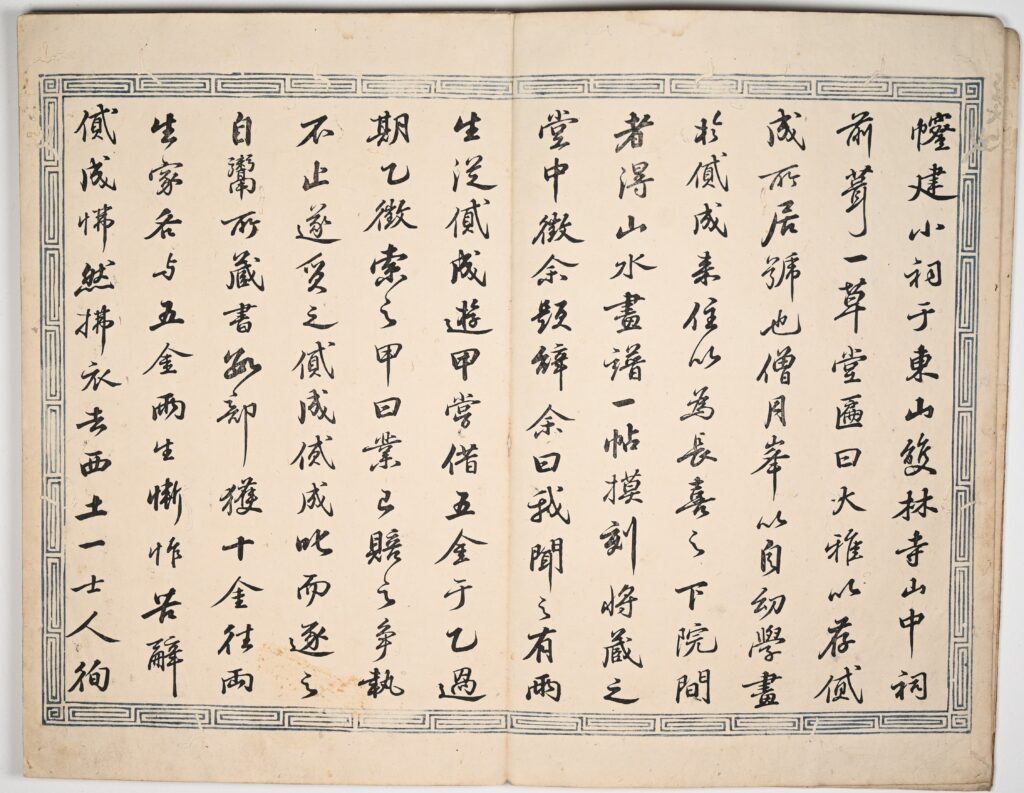
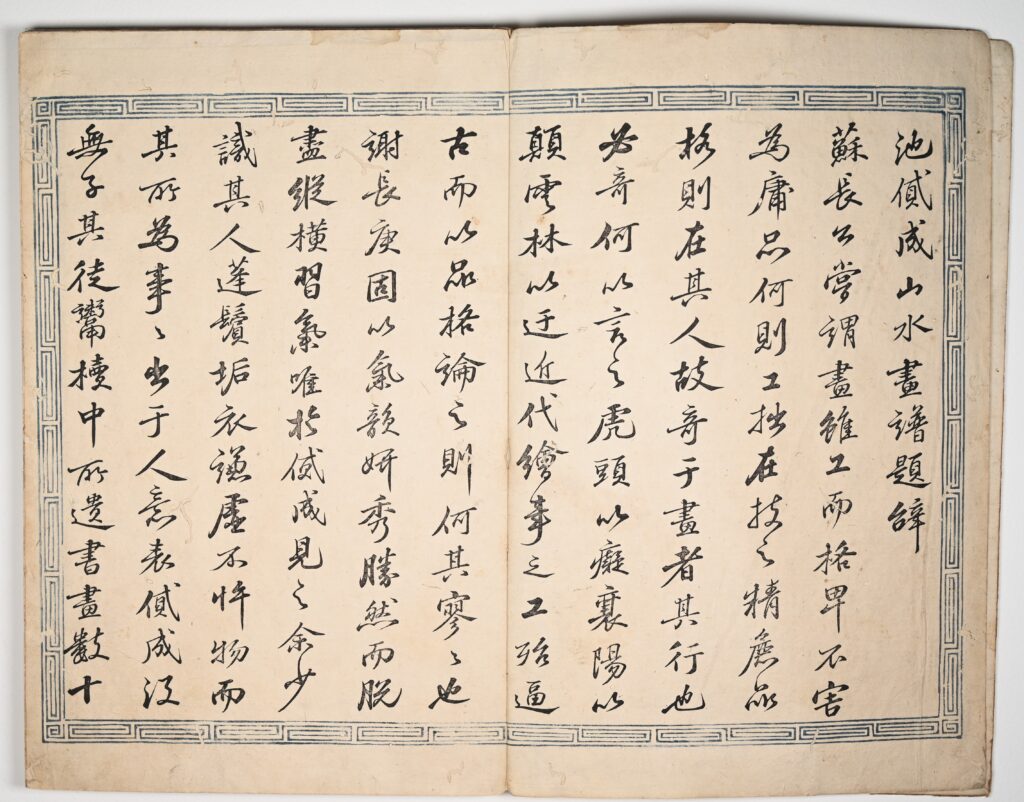
Taigadō gafu 大雅堂画譜 (Taiga Hall Painting Album)
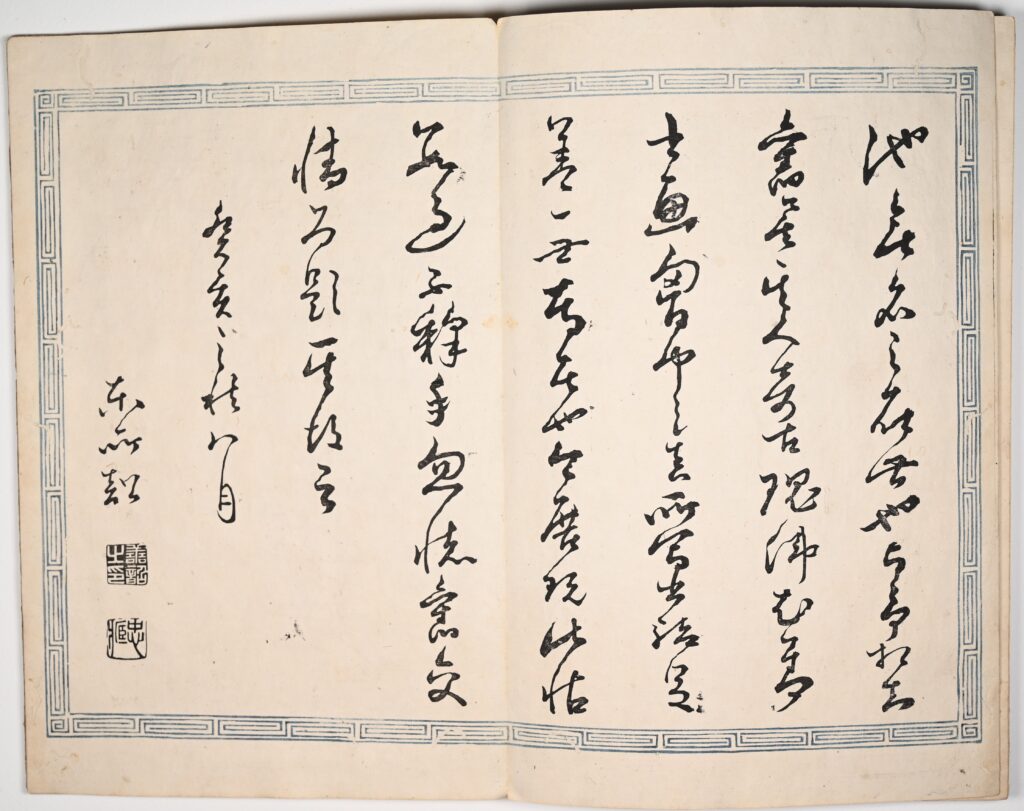
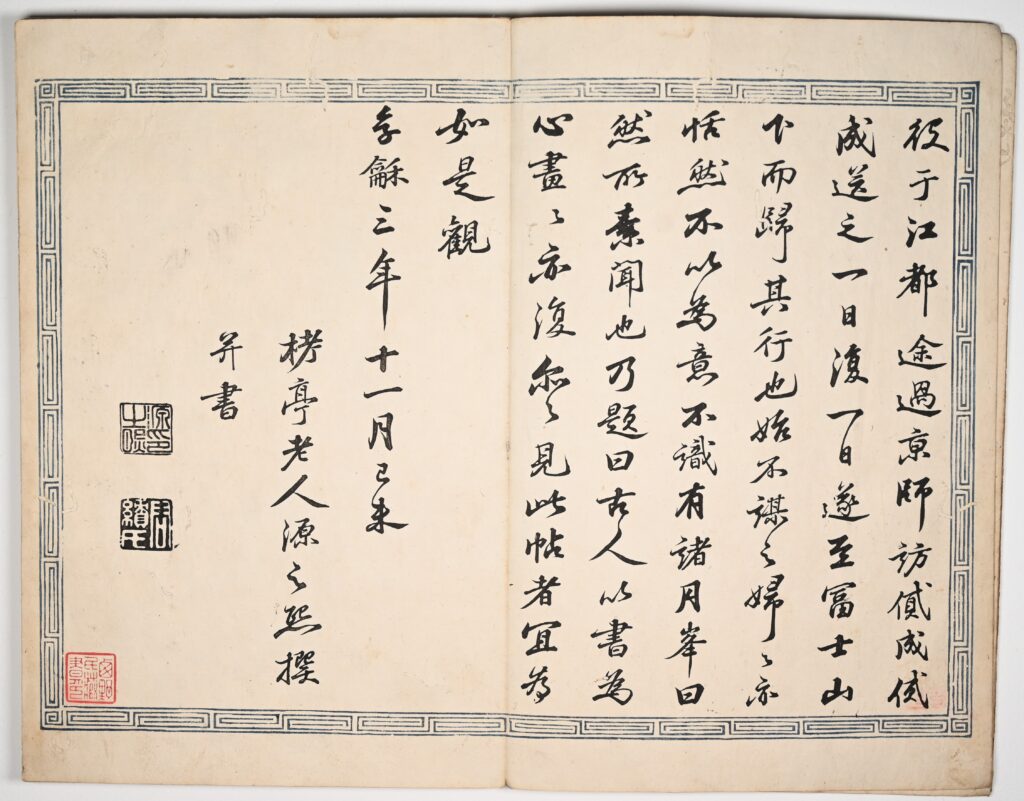
Ike Kasei sansui gafu daiji 池貸成山水画譜題辭 (Preface of Ike Kasei Landscape Painting Album)
蘇長公嘗謂尽雖工而格卑不害
為庸品何則工拙在技之精麁品
格則在其人故奇于尽者其行也
者奇何以言之虎頭以癡衰陽い
顛唐林以迂近代絵事之工殆逼
古而以品格論之則何其寥々也
謝長庚固以気韻妍秀勝然而脱
昼縦横習気唯於賦成見之余少
識其人蓬鬢垢衣謙虚不忤物而
其所為事ゝ出于人意表貸成役
無子其徒鬻檀中所遺書昼数十
Unverified OCR ; verify against the image before use.
一幢建小祠于東山發林寺山中祠
前葺一草堂区曰大雅以存試
成所居号也僧月峯以自幼学尽
於貸成来住以為長喜之下院間
者得山水畫譜一帖模刻将蔵之
一堂中微余疑辞余曰我聞之有両
生従貸成遊甲堂借五金干乙過
期乙徴索之甲曰業已膳之争執
不止遂災之貸成賦成叱而逐之
自衛所蔵書数部獲十金往両
一生家各与五金両生噺情苦解
貸成払然払衣去西土一士人徇
Unverified OCR ; verify against the image before use.
役于江都途遇京師訪偵成試
成送之一日後一日遂至富士山
下而歸其行也始不謀之婦々亦
恬然不以為意不識有諸月峯曰
然所素聞也乃題曰古人以書為
心尽々亦後尓々見此帖者宜為
如是観
Unverified OCR ; verify against the image before use.
Kyōwa san-nen jyūichi-gatsu itsubi 享龢三年十一月乙未 [3rd year of the Kyōwa, 11th Month, itsubi day [December 17, 1803]
Kōtei Rōjin Minamoto no Yukihiro sen narabi[ni] shosu 栲亭老人源之煕撰並書 (Composed and written by the Old Man Kōtei, Minamoto no Yukihiro [Murase Kōtei])
(Square relief seal) Minamoto no Yukihiro no in 源之煕印 (Seal of Minamoto no Yukihiro [Murase Kōtei]); (Square intaglio seal) Kunseki she 君績氏
Collector's seal on the last page of preface: (rectangular relief seal) Nishino Tami zōshōin 西野民藏書印 (Seal of the book collection of Nishino Tami) [1.9 × 1.9 cm]
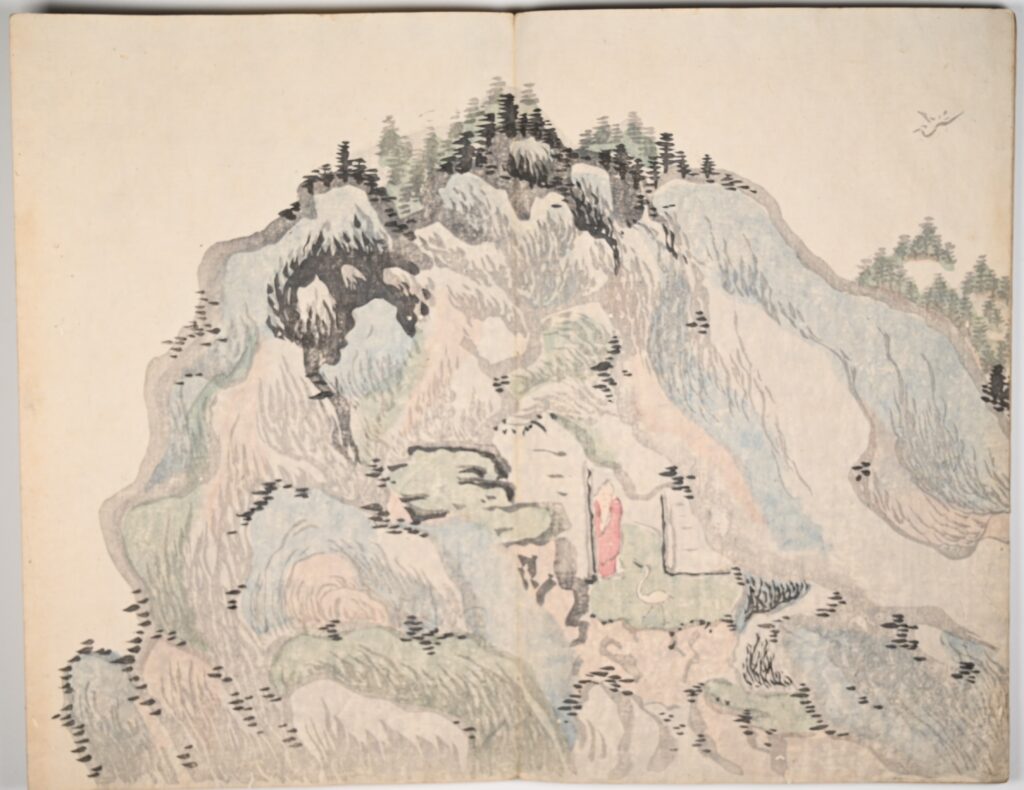
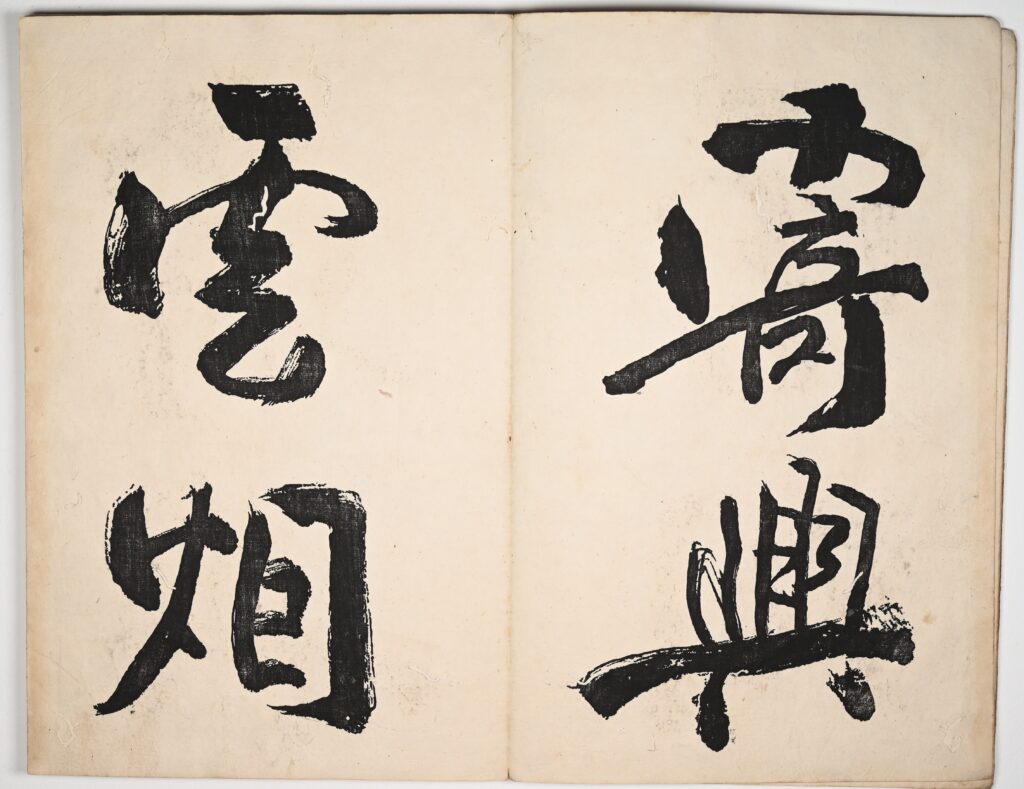
Kikyō unen 寄興雲烟 (Finding Delight in Clouds and Mist)
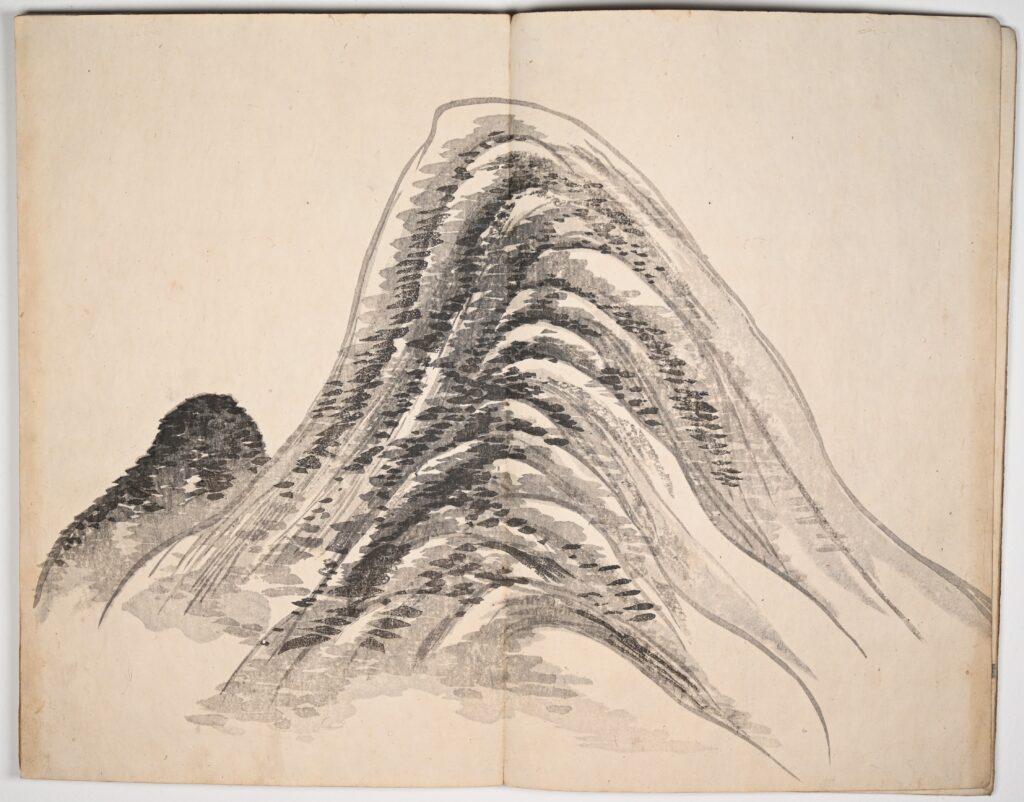
[The Mi-dot technique––rendering mountains through layers of dotted brushstrokes to evoke the foliage-covered slopes of distant peaks––appears frequently in Ike no Taiga's landscape paintings. It is particularly characteristic of his summer scenes, which often form part of seasonal landscape sequences on folding screens and handscrolls. These overlaid dots, applied in varying gradations of ink tone, are attributed to the Chinese painter Mi Fu (1051–1107) and his son Mi Youren (1074–1153). The technique was later introduced among the various methods for depicting rocks and mountains in the third volume of the Mustard Seed Garden Painting Manual.]
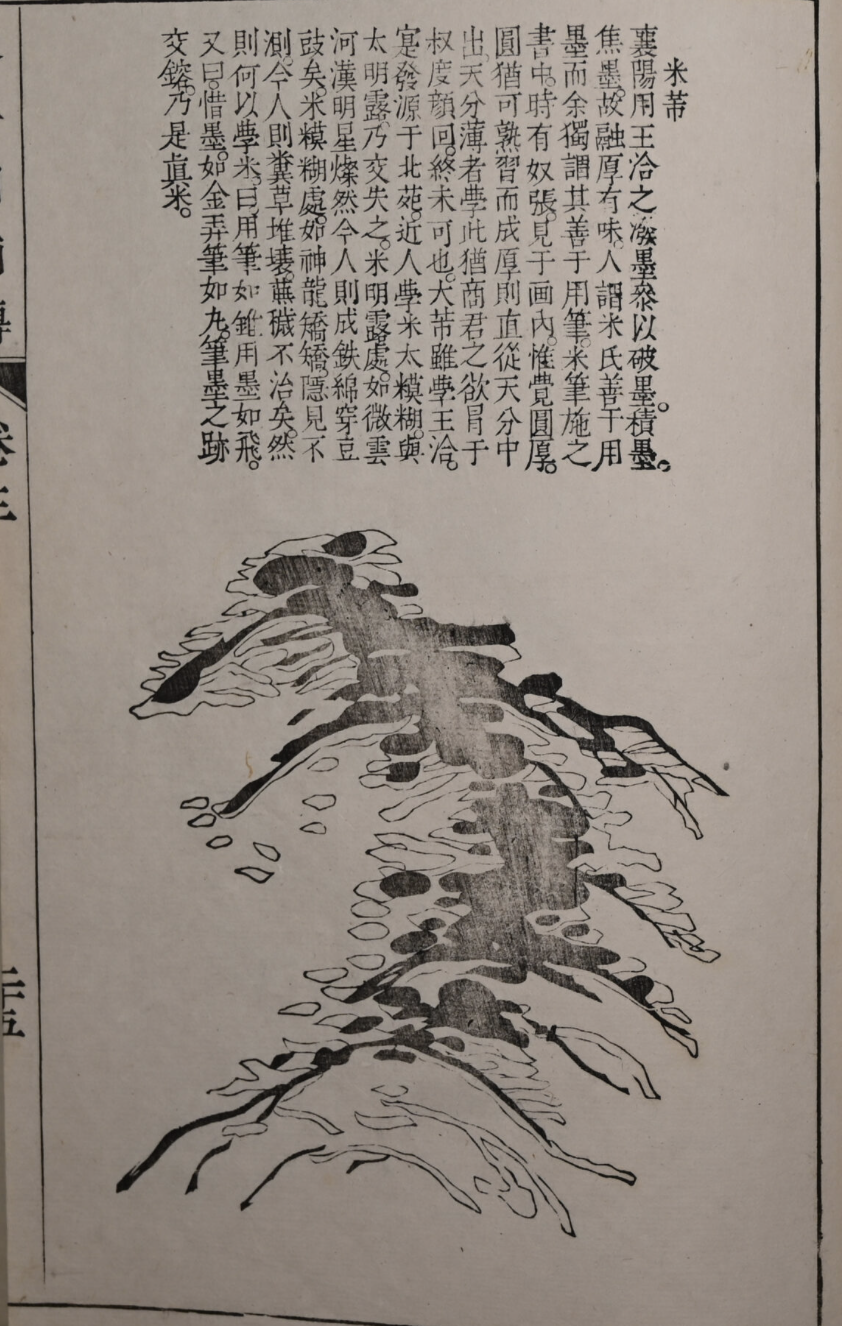
Mountain in the Manner of Mi Fu, from the third volume of the Mustard Seed Garden Painting Manual (1753 edition). Pinkowitz Collection, 2024.21
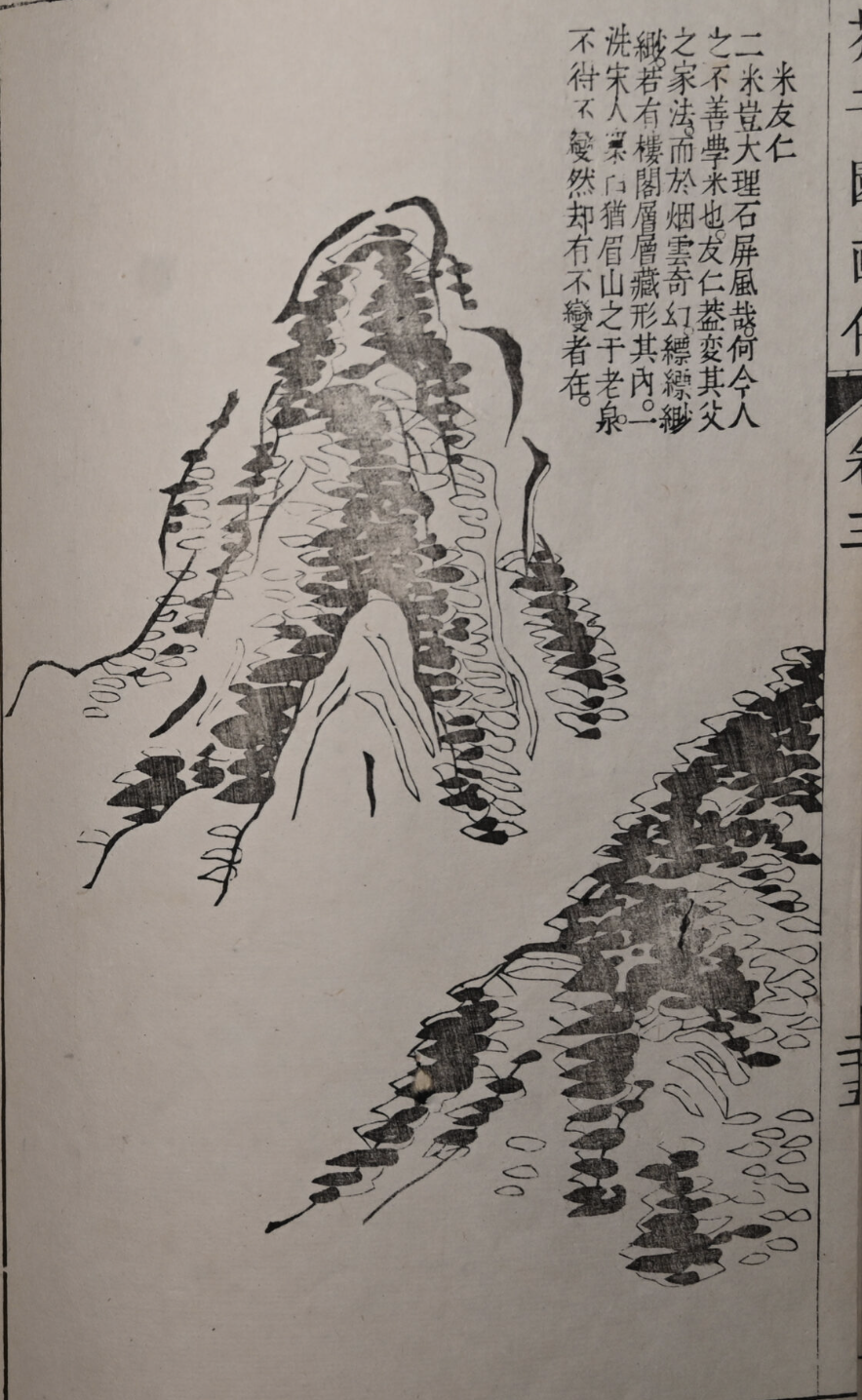
Mountain in the Manner of Mi Youren, from the third volume of the Mustard Seed Garden Painting Manual (1753 edition). Pinkowitz Collection, 2024.21
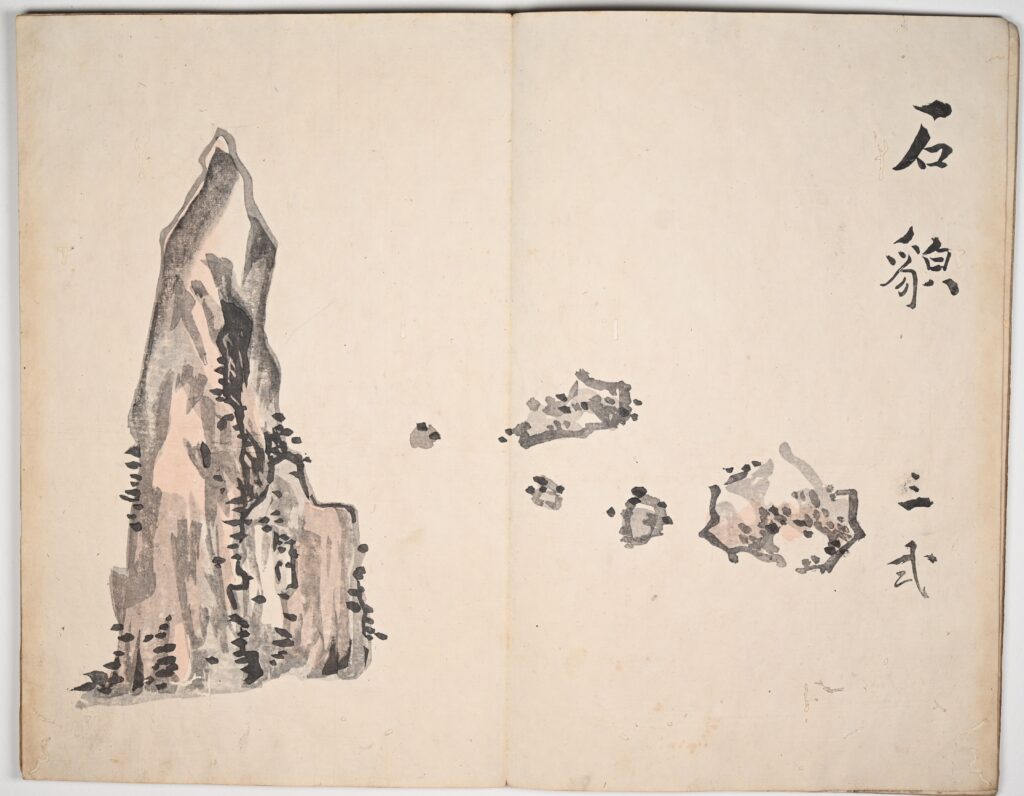
Sekibō sanshiki 石貌 三式 (Three forms of rock physiognomy )
The term 坡 (po in Chinese; saka in Japanese) is conventionally translated as “slope,” but in painting it more precisely designates a slightly inclined yet essentially flat rocky platform, or a terrace set among rocks.
The Mustard Seed Garden Painting Manual introduces two related forms of po. The first, discussed in the third volume as the method for painting terraces among rocks, is presented as a feature frequently found in the landscapes of Huang Gongwang (1269–1354) and Ni Zan (1301–1374), where such terraces provide characteristic resting points within the composition. As this section makes clear, the terrace is intended as a place where the recluse may sit or recline: a platform nestled within nature, seemingly awaiting the hermit’s arrival. Its defining feature, therefore, is not steepness but levelness.
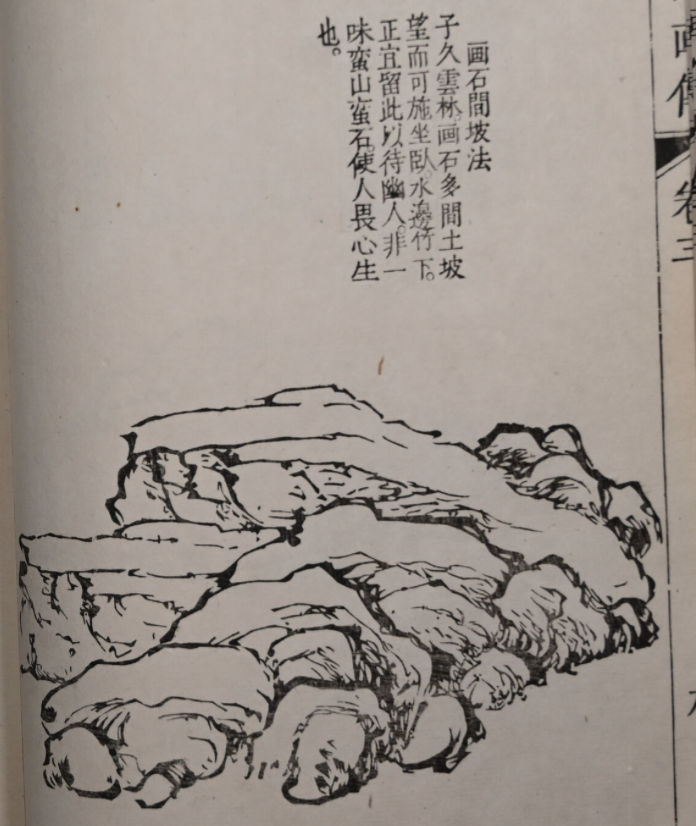
Terrace between Rocks, from the third volume of the Mustard Seed Garden Painting Manual (1753 edition). Pinkowitz Collection, 2024.21
Compared with the platform set atop undulating rocks in the Manual’s third volume, the raised ground in Taiga’s depiction has a broader, more expansive flat surface while retaining an overall tilt. It corresponds more closely to the method for painting slopes in the fourth volume, which treats slopes as compositional elements and introduces their coloring scheme.
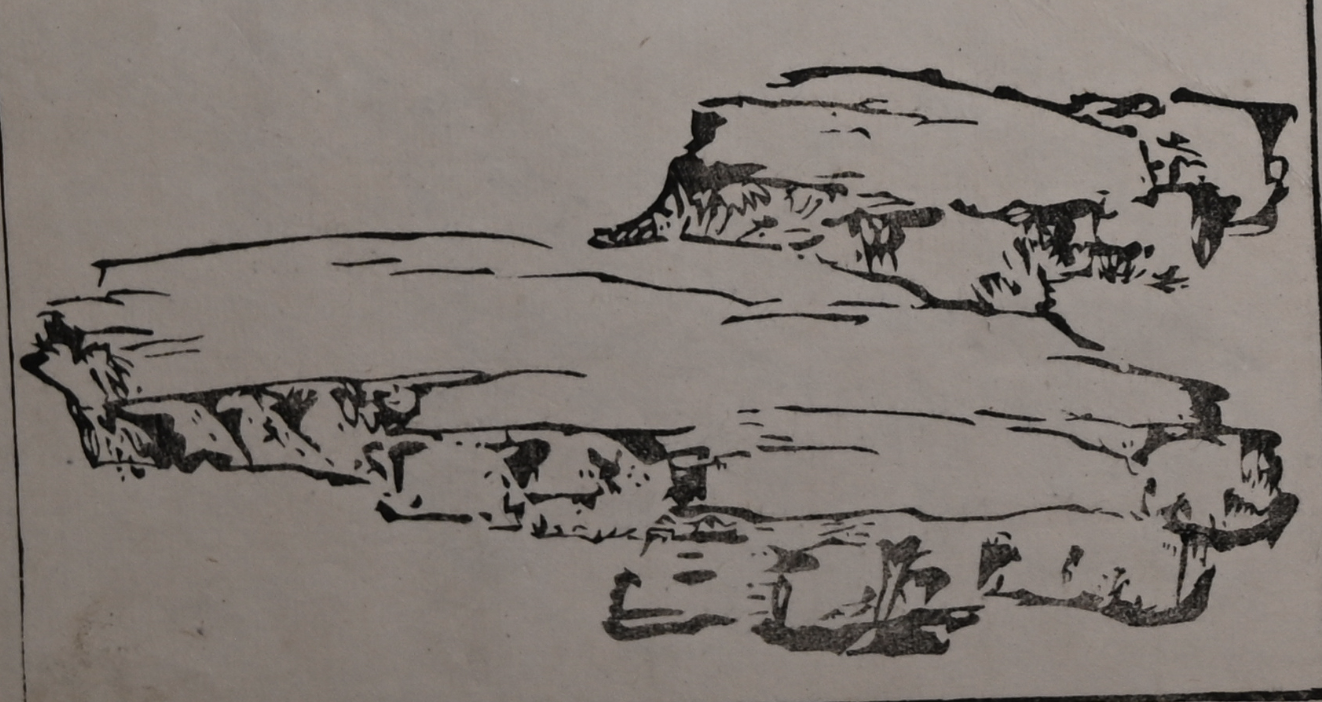
Earthen slope, from the fourth volume of the Mustard Seed Garden Painting Manual (1753 edition). Pinkowitz Collection, 2024.21
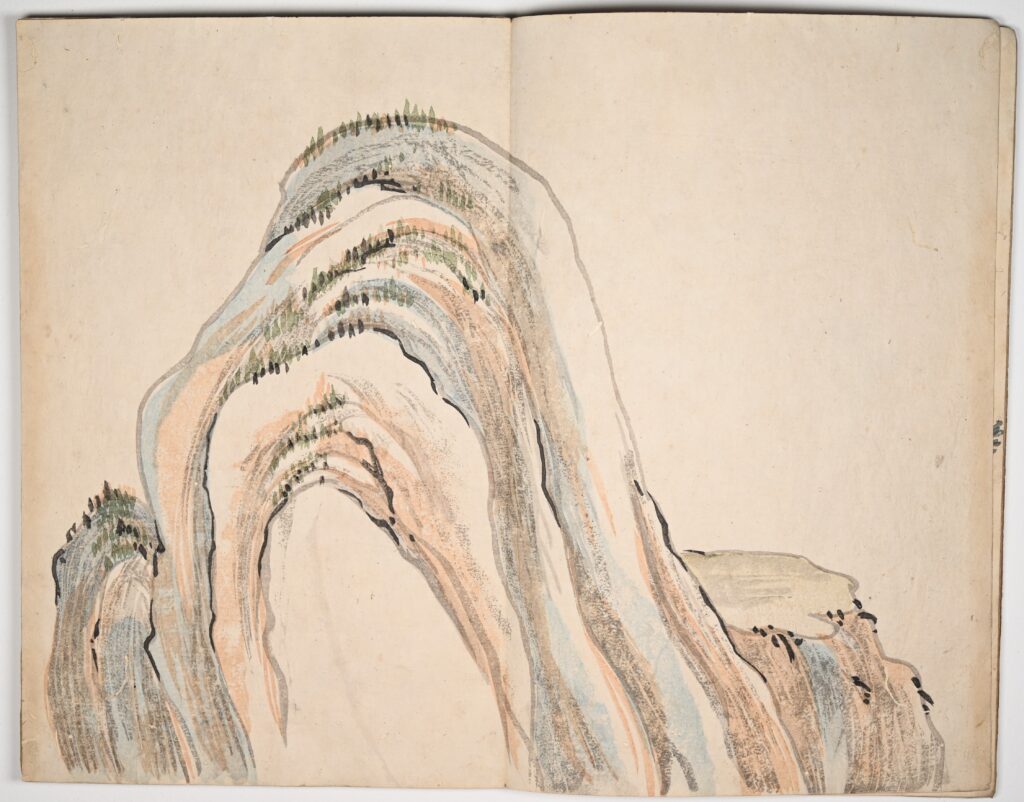
Sanshun rokushiki 山皴 六式(Six styles of mountain texture strokes)
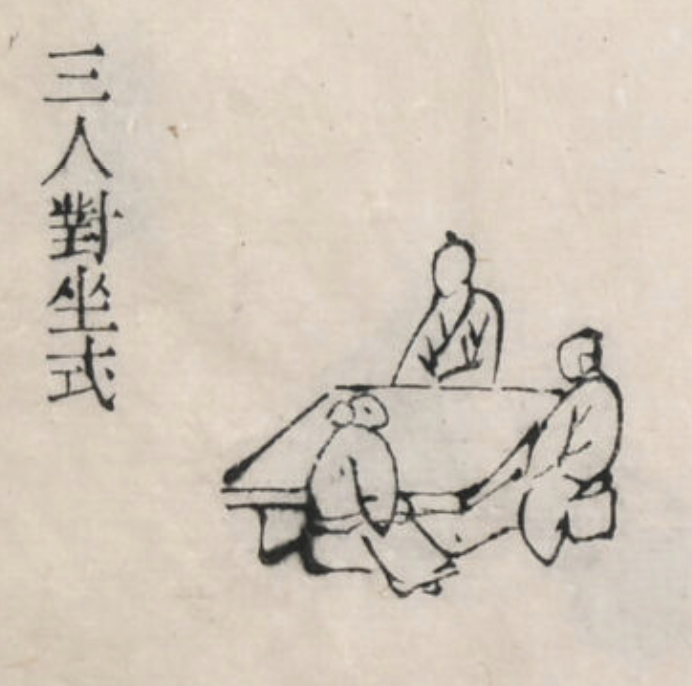
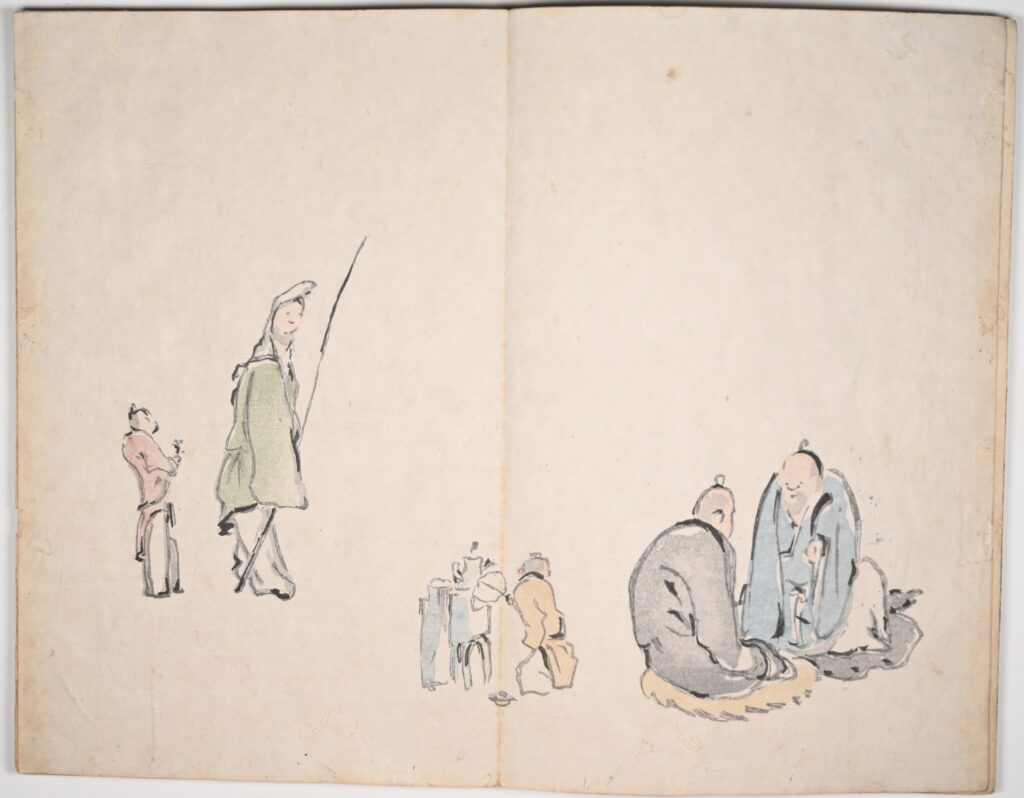
Three figures seated together, from the fifth volume of the Mustard Seed Garden Painting Manual (1748 edition). Pinkowitz Collection, 2025.9.
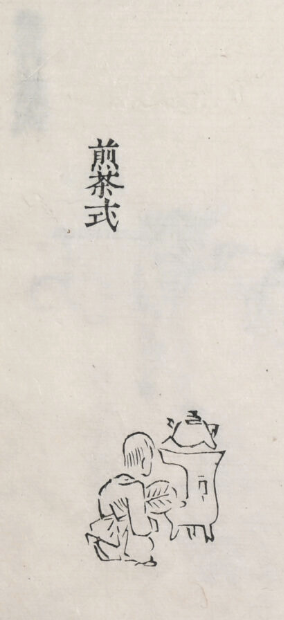
Preparing sencha [steeped leaf tea], from the fifth volume of the Mustard Seed Garden Painting Manual (1748 edition). Pinkowitz Collection, 2025.9.
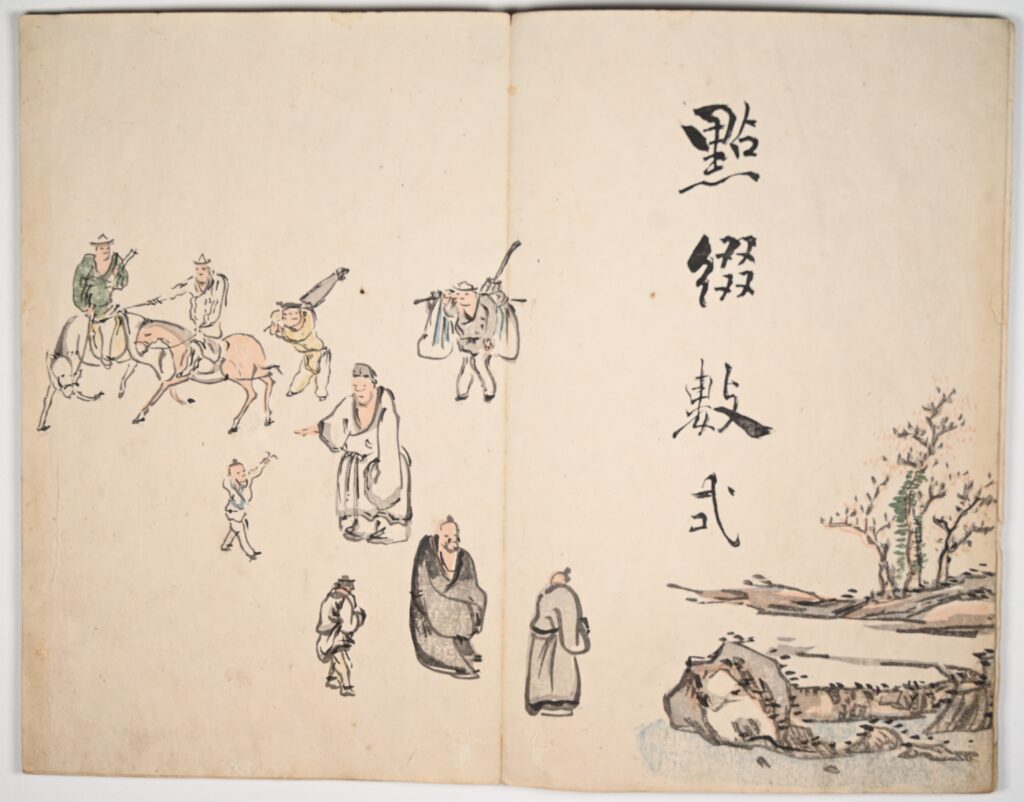
Tentei sūshiki 點綴數式(Various methods of dotting)
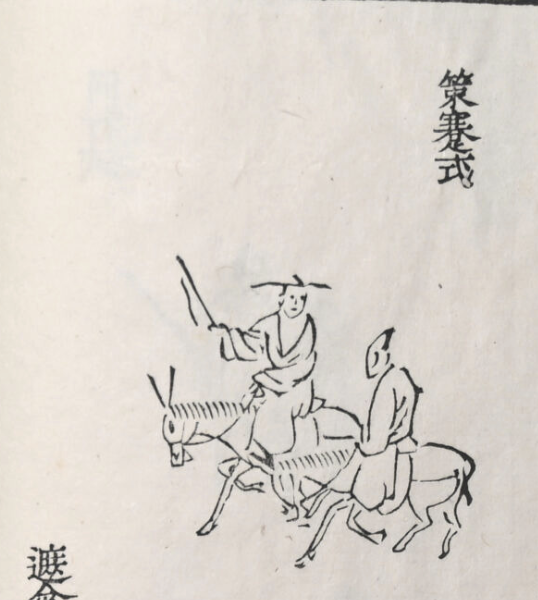
Riding Donkeys, from the fifth volume of the Mustard Seed Garden Painting Manual (1748 edition). Pinkowitz Collection, 2025.9.
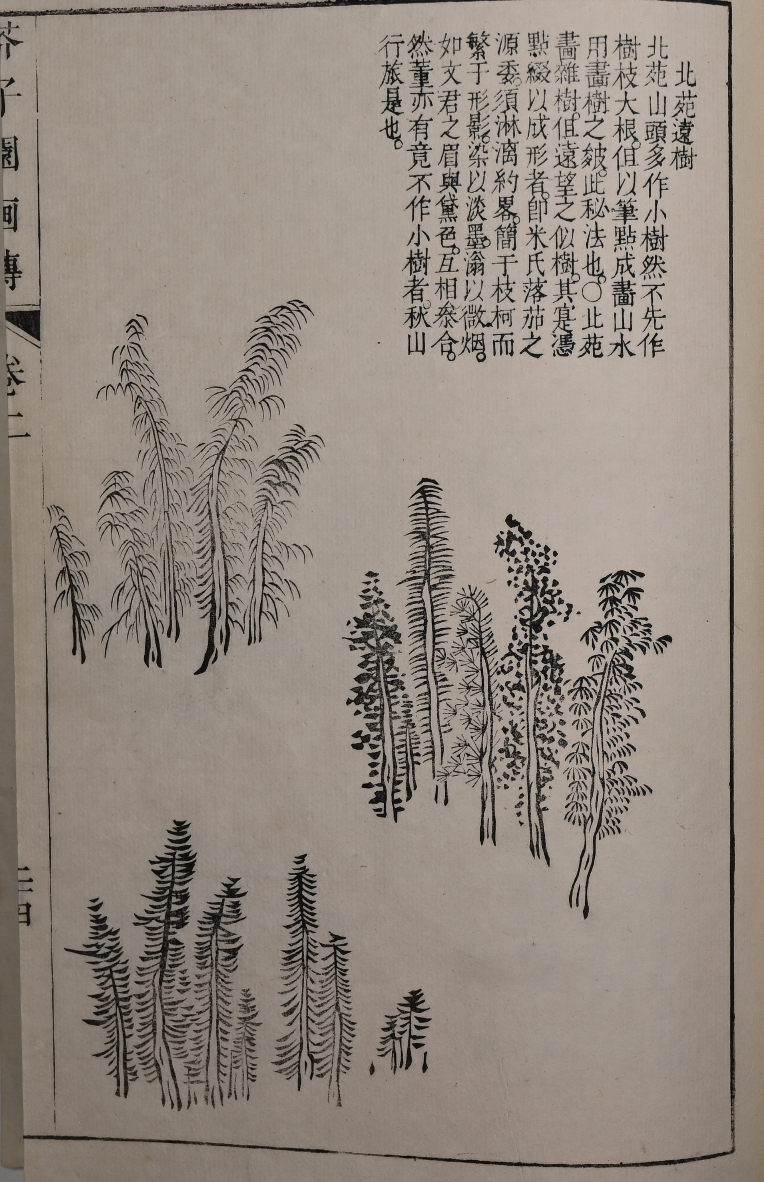
Dong Yuan–style distant trees, from the third volume of the Mustard Seed Garden Painting Manual (1753 edition). Pinkowitz Collection, 2024.21
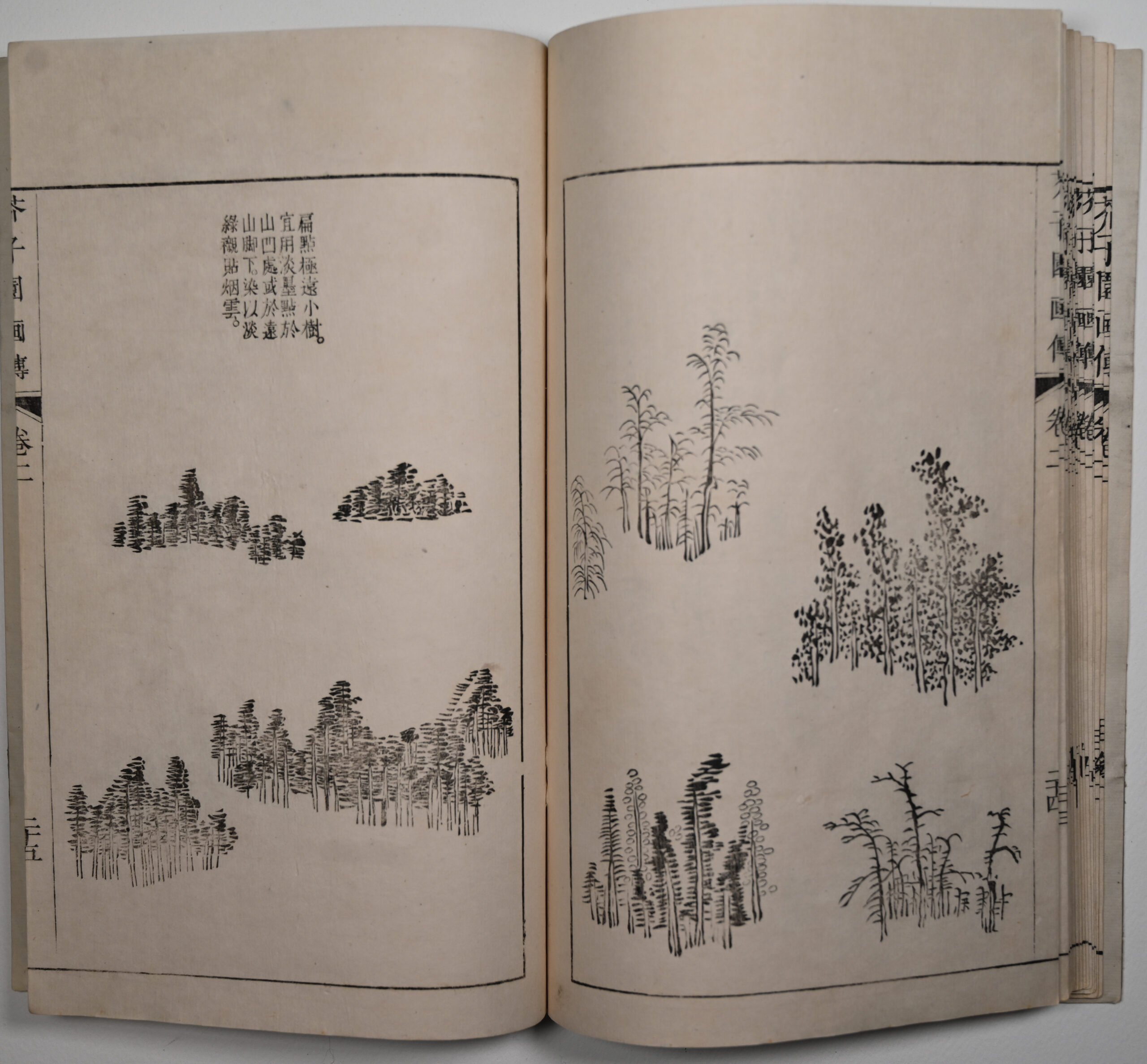
Flat dots for small trees in the extreme distance, from the third volume of the Mustard Seed Garden Painting Manual (1753 edition). Pinkowitz Collection, 2024.21
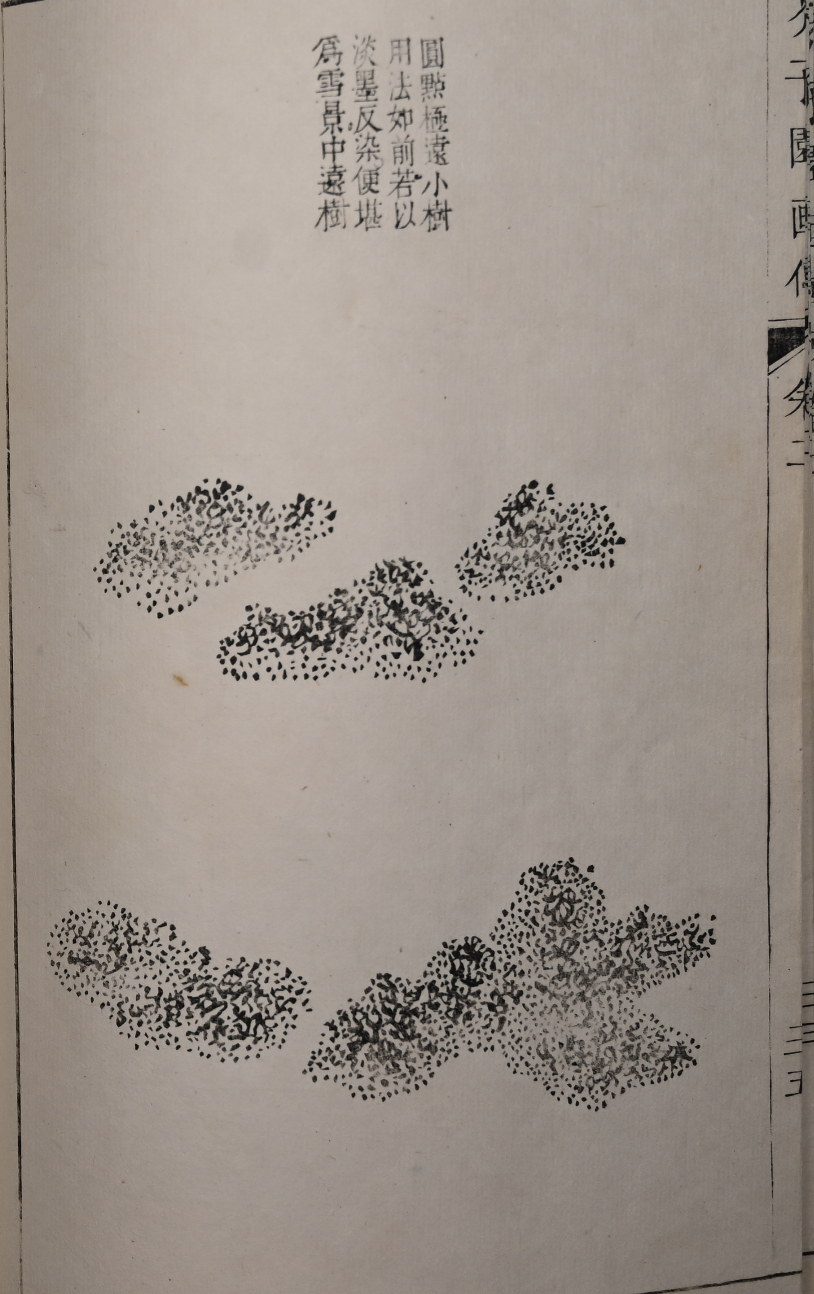
Round-dotting for small trees in the far distance, from the third volume of the Mustard Seed Garden Painting Manual (1753 edition). Pinkowitz Collection, 2024.21
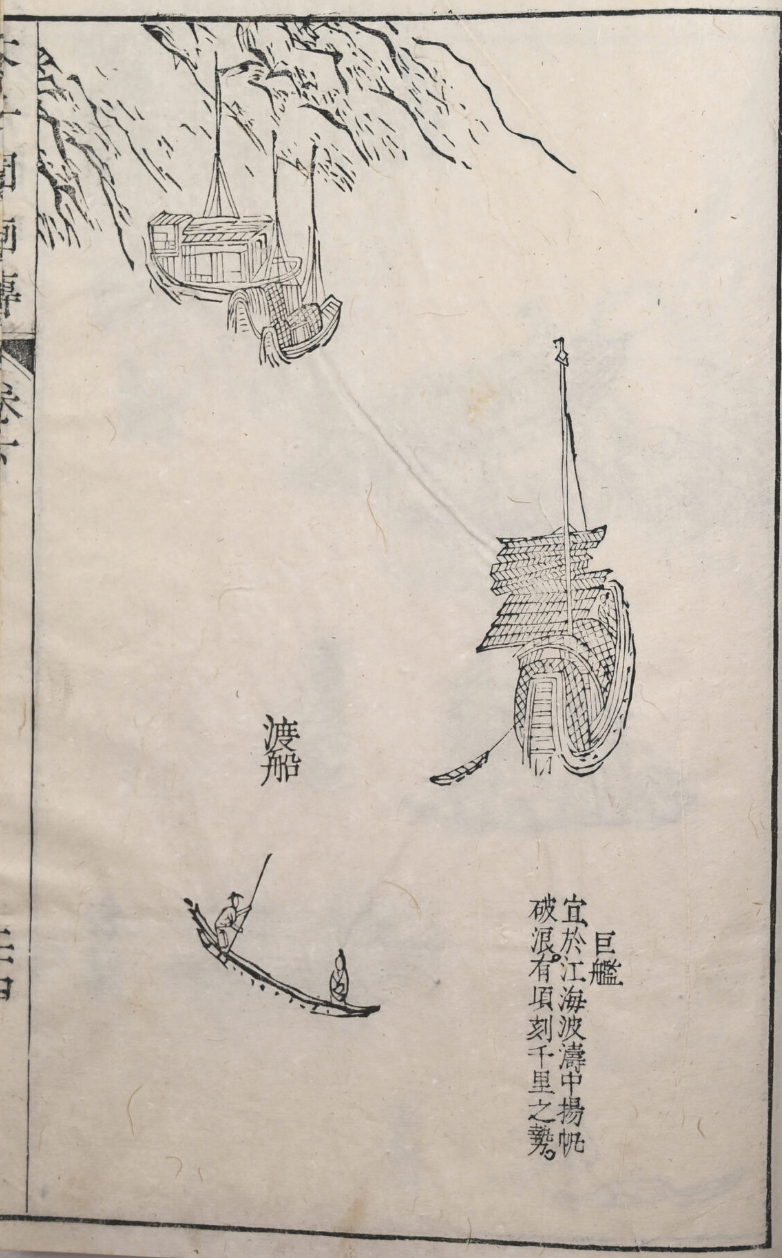
Ships, from the sixth volume of the Mustard Seed Garden Painting Manual (1748 edition). Pinkowitz Collection, 2025.9.
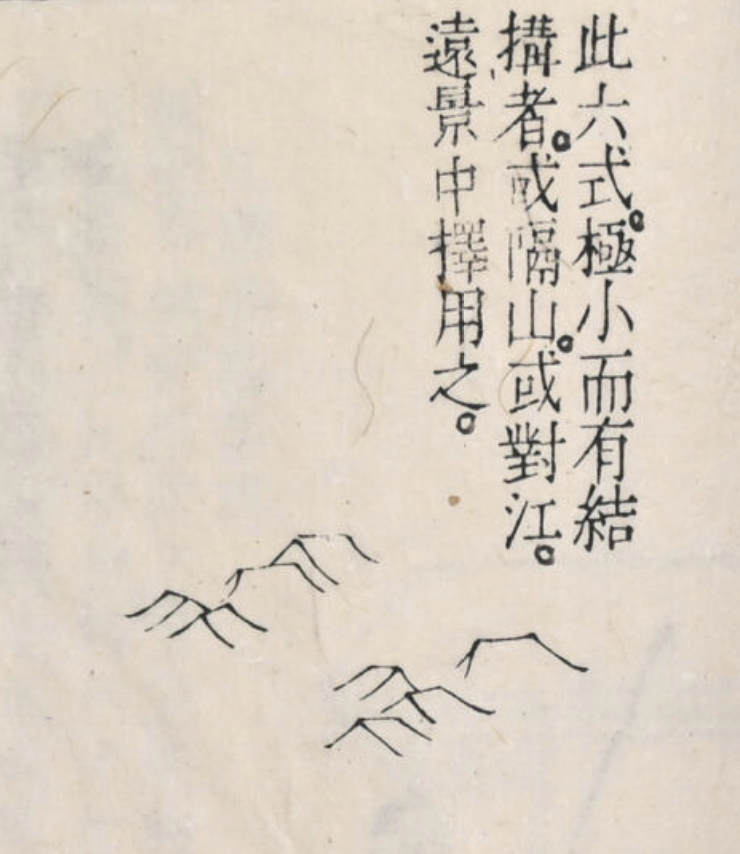
Roof forms for distant views, from the sixth volume of the Mustard Seed Garden Painting Manual (1748 edition). Pinkowitz Collection, 2025.9.
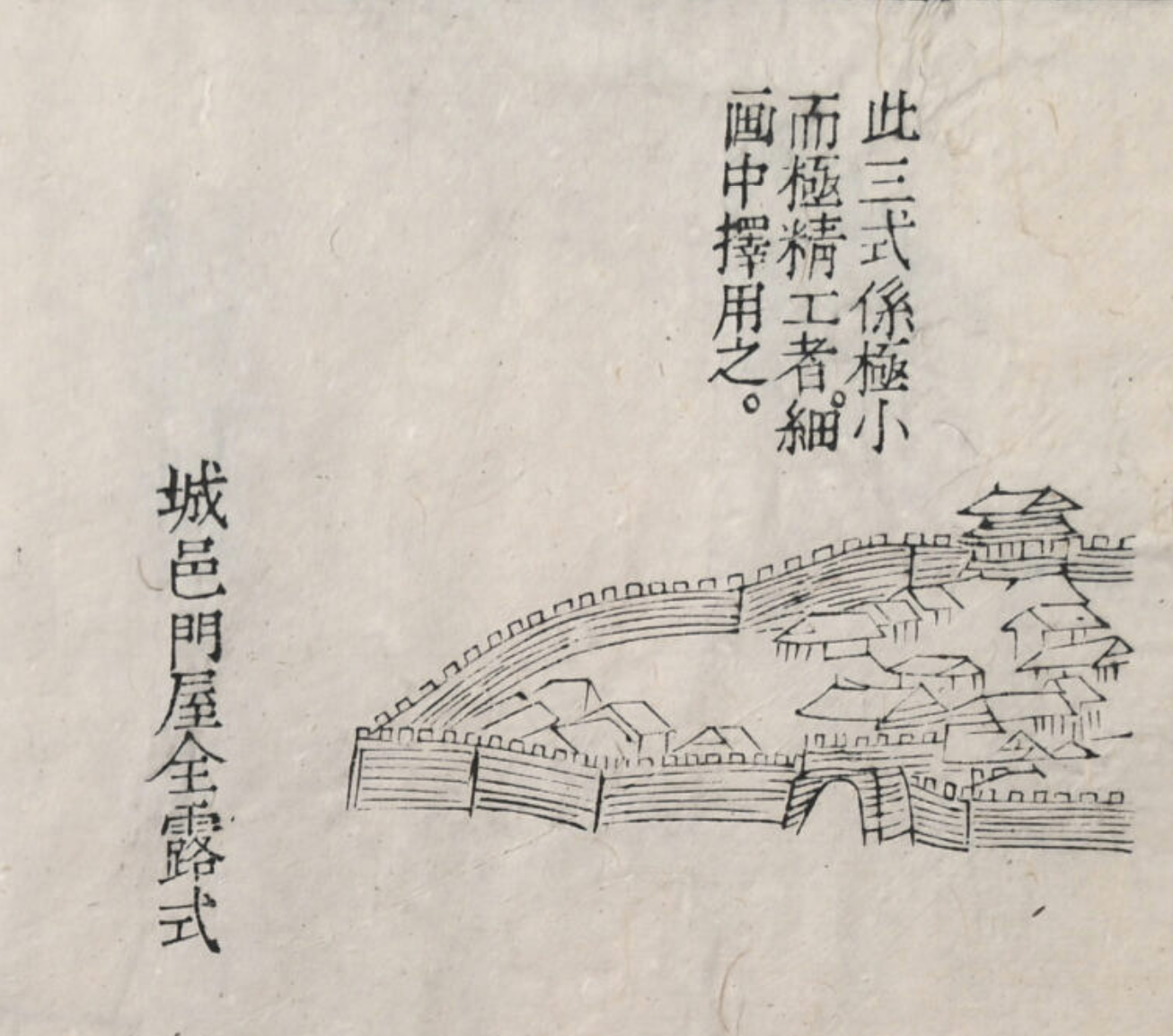
Fully visible forms of city walls, gates, and buildings, from the sixth volume of the Mustard Seed Garden Painting Manual (1748 edition). Pinkowitz Collection, 2025.9.
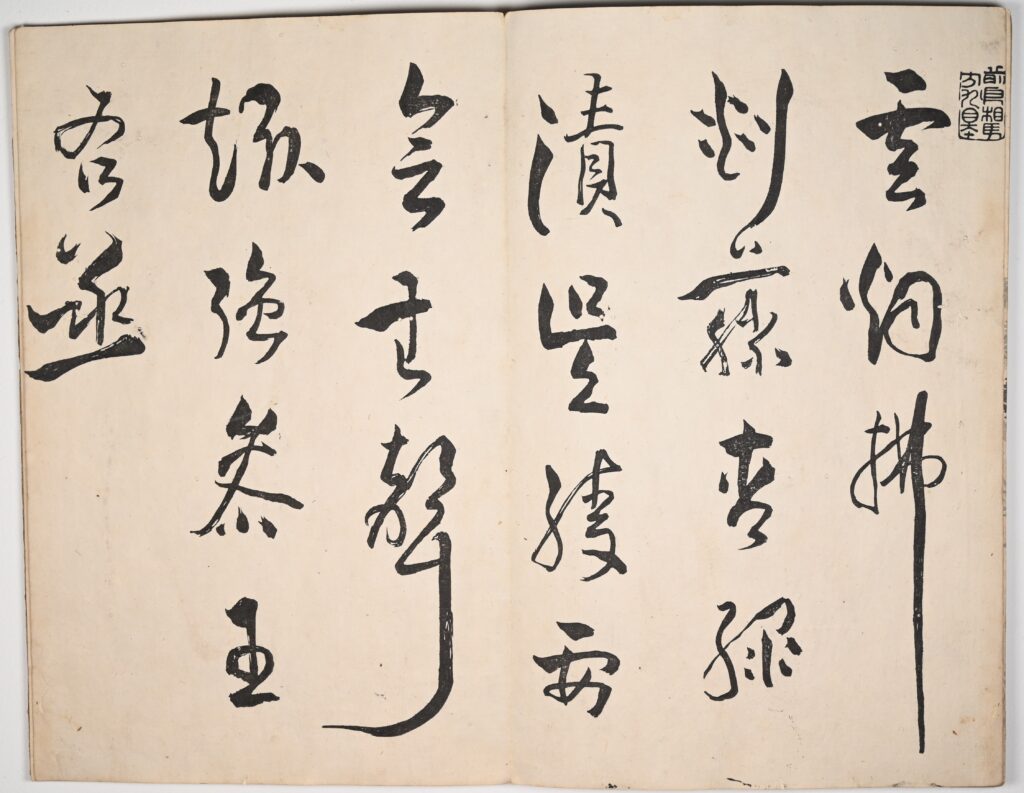
Zenshin Sōma Hōkyūkō 前身相馬方九皐 (My former incarnation was the horse appraiser Jiufang Gao)
雲烟拂剡藤 青綠漬吳綾 要會無聲趣 强參王右亟 Clouds and mist sweep across the vine paper from Shanxi, Blue and green pigments soak into silk from Wu. To truly grasp the delight of the silent art [of painting], One must earnestly study Wang Wei. Translation by Tim T. Zhang
Unverified OCR ; verify against the image before use.
Kyūkazan shō sha narabi [ni] dai[su] 九霞山樵寫併題 (Painted and inscribed by the Woodcutter of Nine-Clouds Mountain)
(Square relief seal) Ike Arina in 池無名印; (square intaglio seal) Kyuka sanjin 九霞山人
Shinryō is the second keeper of Taigadō.
正師故曁林寺謙阿に人自小少与先生友善嘗好和歌同学于
冷泉相公之門先生家極窮乏上人乃於山中空閑之地令衛書
来往者請乞頗夥然不同潤筆之有無時人皆奇之山中毎有
法会夫妻同来随喜念仏時余尚幼日従先生学書昼先生没之
九年妻至弥没矣於是与同社謀建小堂于嘗鬻書尽之所取
先生所居之帰命曰大雑堂以安置先生平日所奉事大悲像及
其先世鬼薄今者得此帖奉刻蔵之堂中唯恐腕狂筆者失
此眞覧者幸知察焉辰亮敬識
Unverified OCR ; verify against the image before use.
代無名之右無也被為相知
書には其人寄古現佛尤多
琉球尤青
書通向留中之者御写書駄足
問写書請足
善
美無寺其也今啓現此帖
無過不静手忽慎実受
情為題其後之
Unverified OCR ; verify against the image before use.
Kigai no aki, hachigatsu 癸亥之秋八月 (The eighth month of autumn in the kigai year [1803])
Tōshō dai 東所題 (Inscribed by Tōsho)
(Square intaglio seal) Yoshitsugu 善韶; (Square relief seal) Chūzō 忠藏
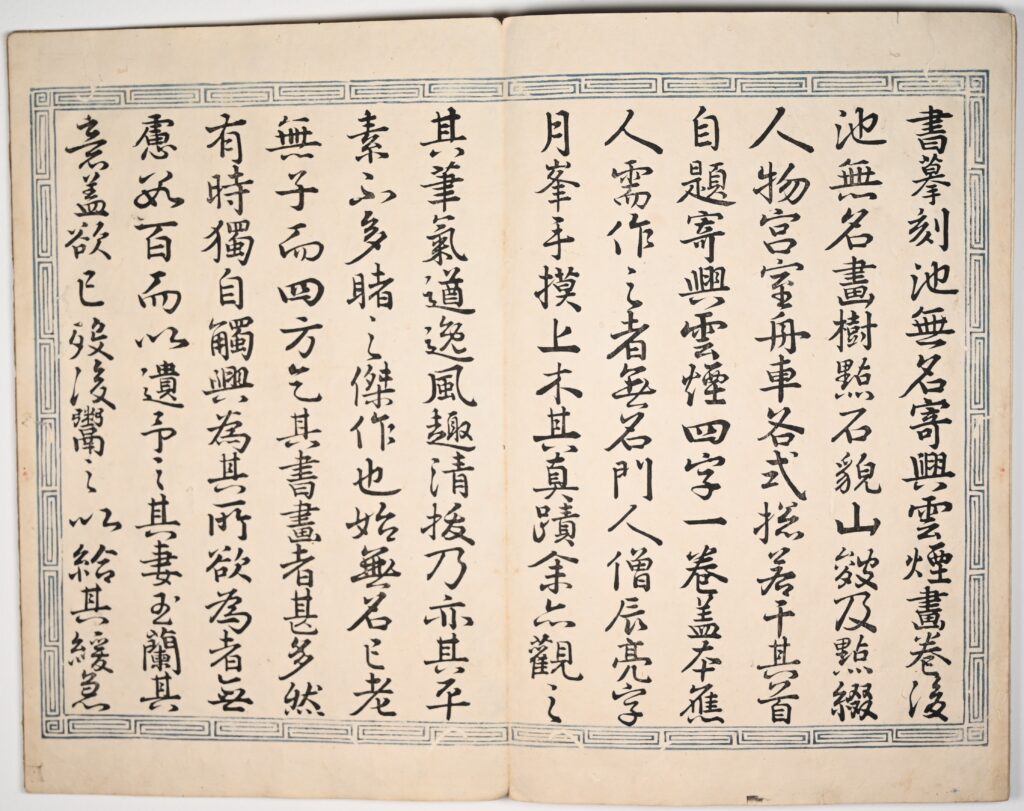
書墓刻池無名寄興雲煙画巻後
池無名画樹点石貌山皴及点綴
人物宮室舟車各式総若干其首
自題寄興雲煙四字一巻蓋本応
人需作之者無名門人僧居亮字
月峯手撲上木其真蹟余亦観之
其筆気道逸風趣清抜乃亦其平
素不多賭之傑作也始無名と老
無子而四方乞其書画者甚多然
有時独自触興為其所欲為者無
慮如百而以遺予之其妻玉蘭其
意蓋欲已疫後鬻之以給其緩急
Unverified OCR ; verify against the image before use.
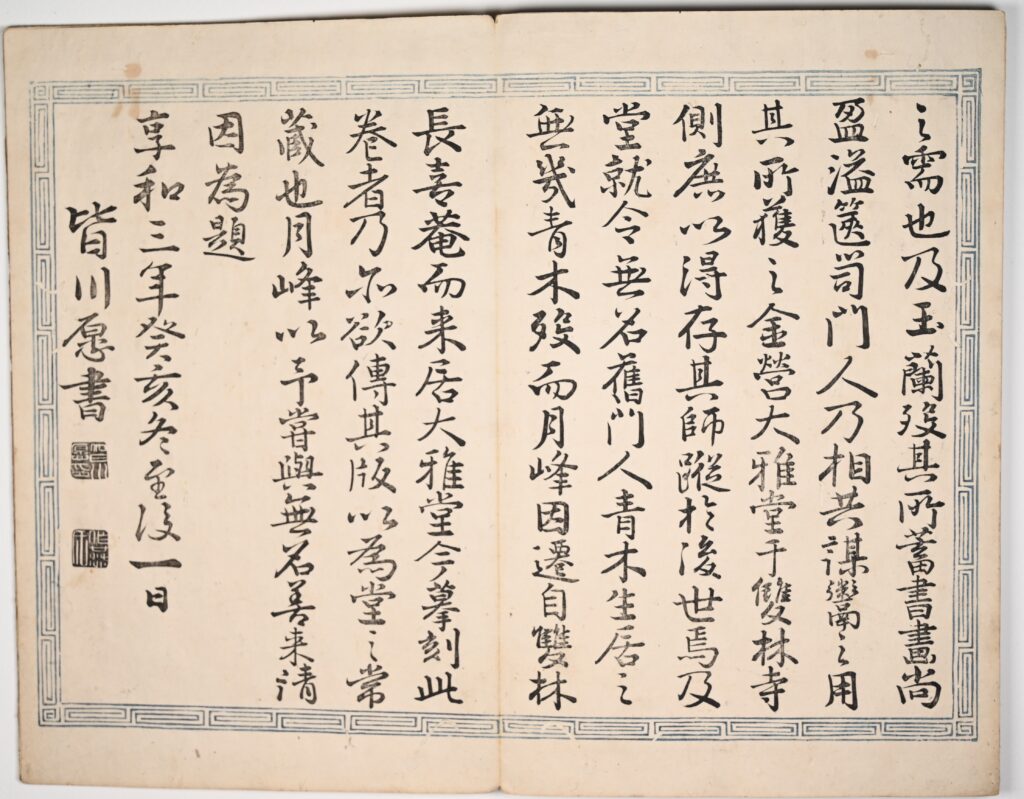
之需也及玉蘭致其所蓄書画尚
盈溢篋笥門人乃相共謀鬻之用
其所獲之金営大雅堂于優林寺
側庶以得存其師縦於後世及
堂就令無名舊門人青木生居之
無幾青木残而月峰因遷自双林
長喜菴而来居大雅堂今華刻此
巻者乃品欲伝其版以為堂之常
蔵也月峰以予嘗興無名善来清
因為題
Unverified OCR ; verify against the image before use.
Kyōwa san-nen kigai tōji no go-ichijitsu 享和三年癸亥冬至後一日(The day after the winter solstice, Kyōwa 3 [ca. 23 December 1803], cyclical year kigai.)
Minagawa Gen 皆川愿 (Minagawa Kien)
(Square intaglio seals) Minagawa Gen 皆川愿; Hakukyou shi 伯恭氏
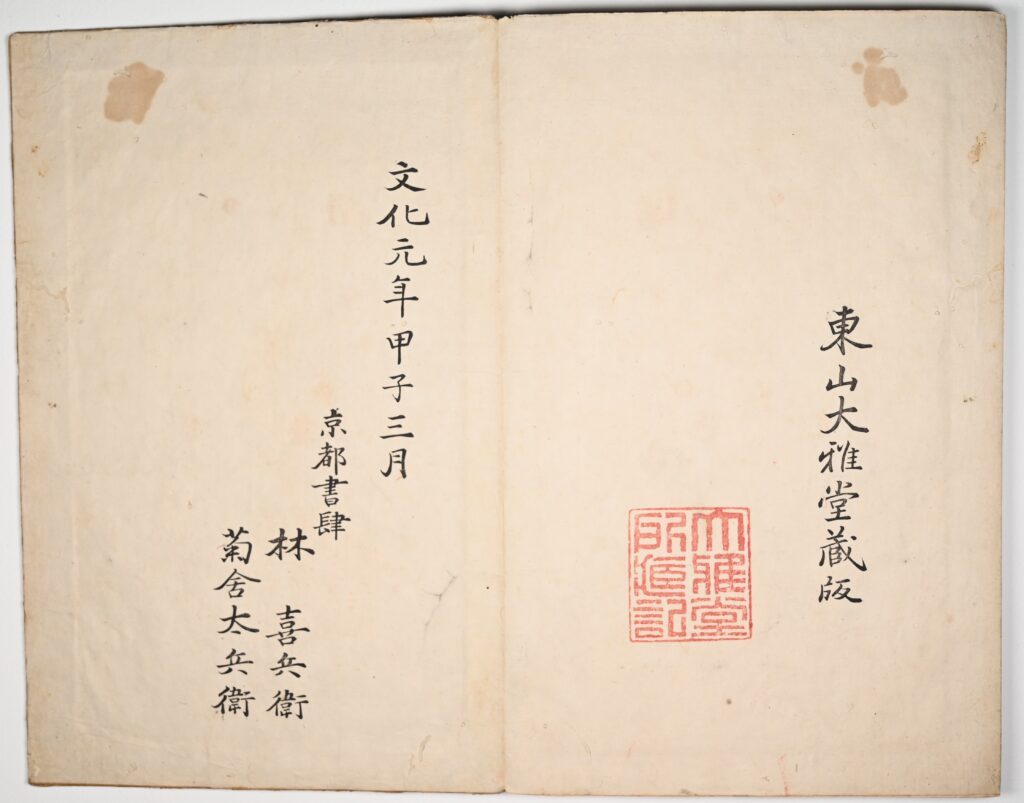
Higashiyama Taigadō zōban 東山大雅堂蔵版 (Blocks held by Taigadō, Higashiyama)
(rectangular relief seal) Taigadō shozōki 大雅堂所藏記 [5 × 4.7 cm]
Kyōto shoshi 京都書肆 (Kyoto bookshops);
Hayashi Kihē 林 喜兵衛;
Kikuya Tahē 菊舍太兵衛
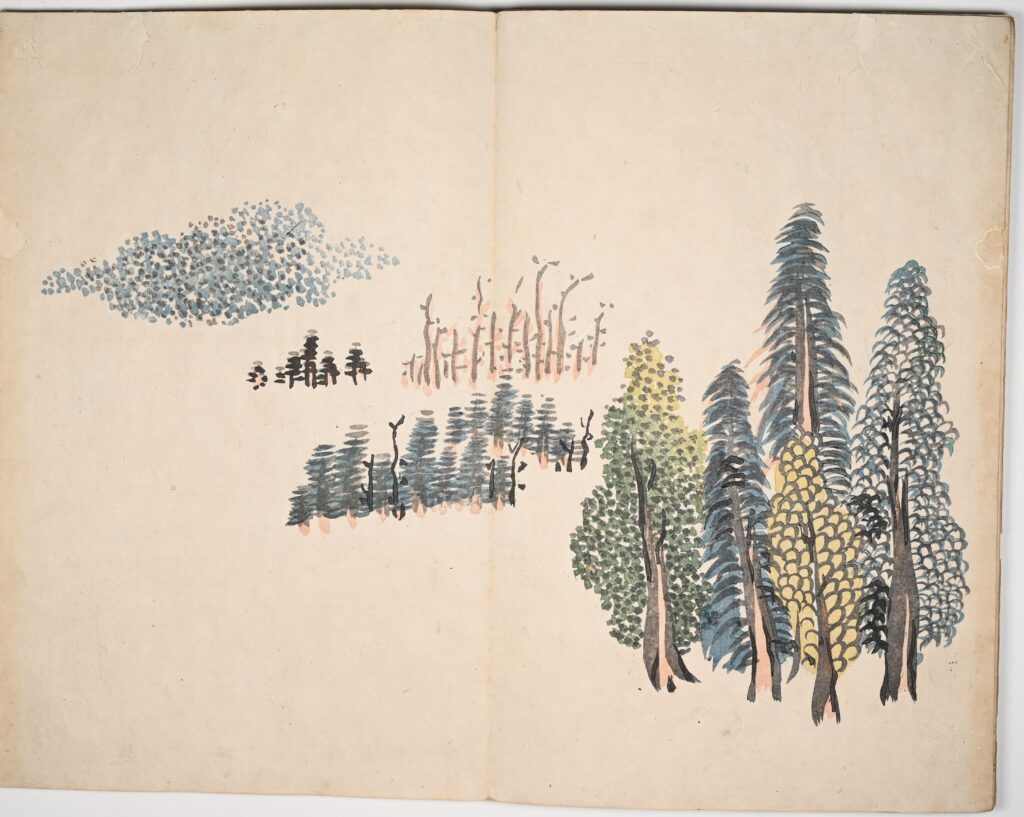
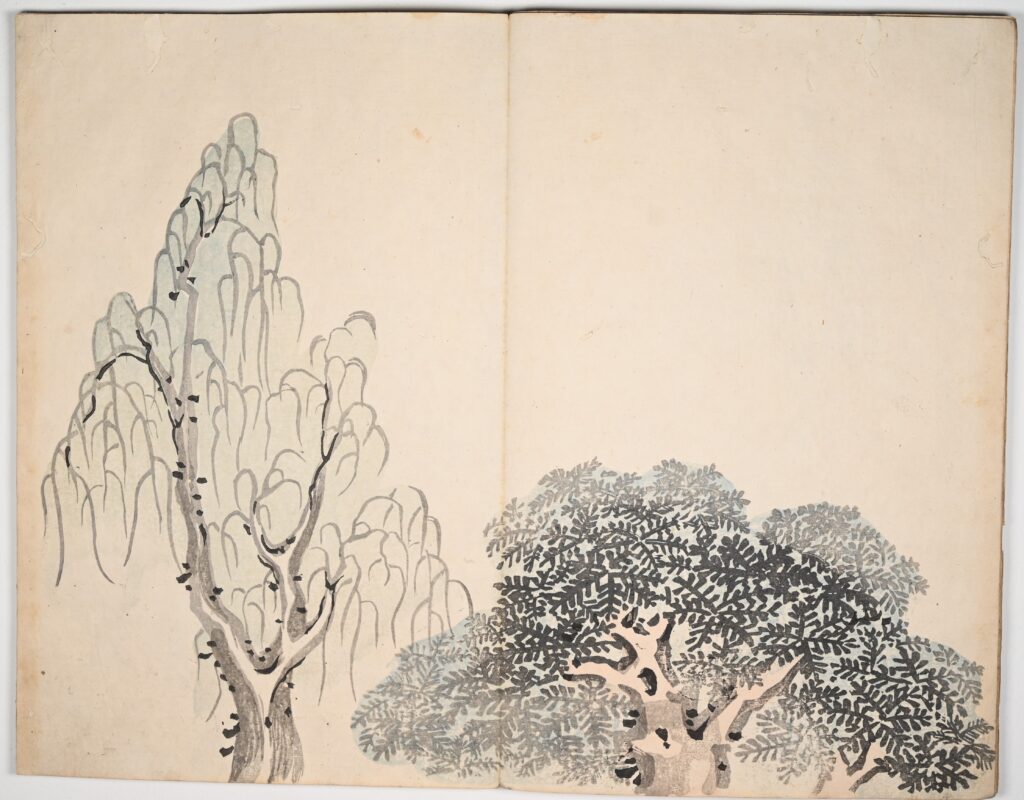
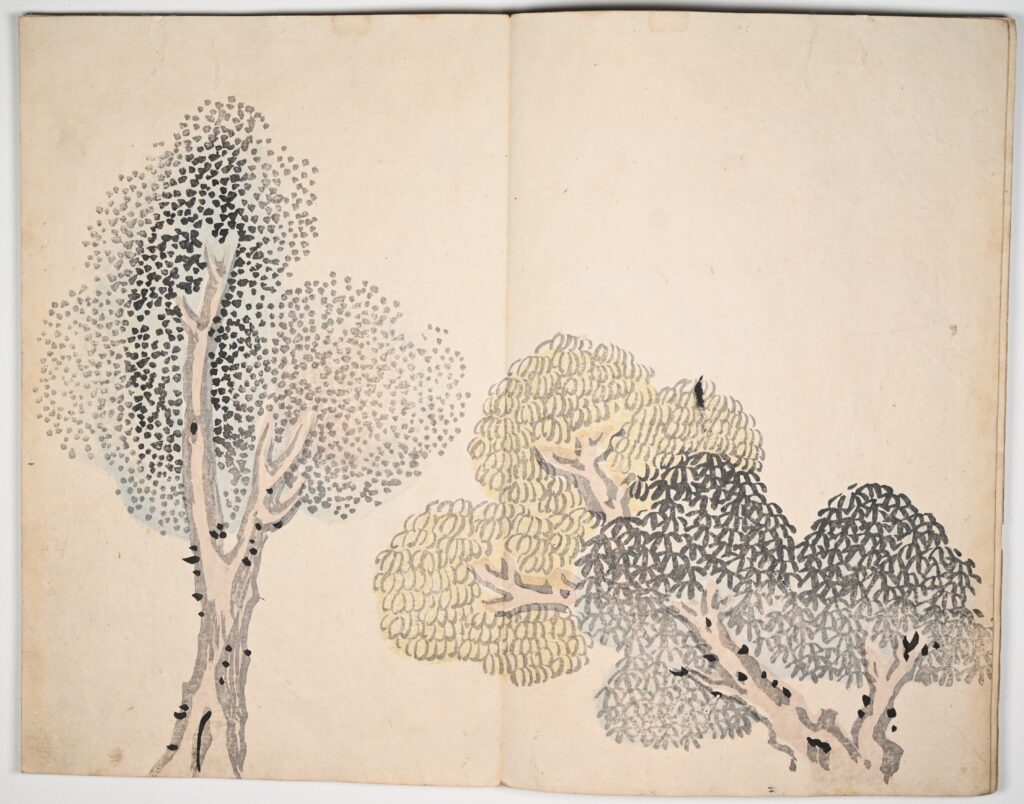
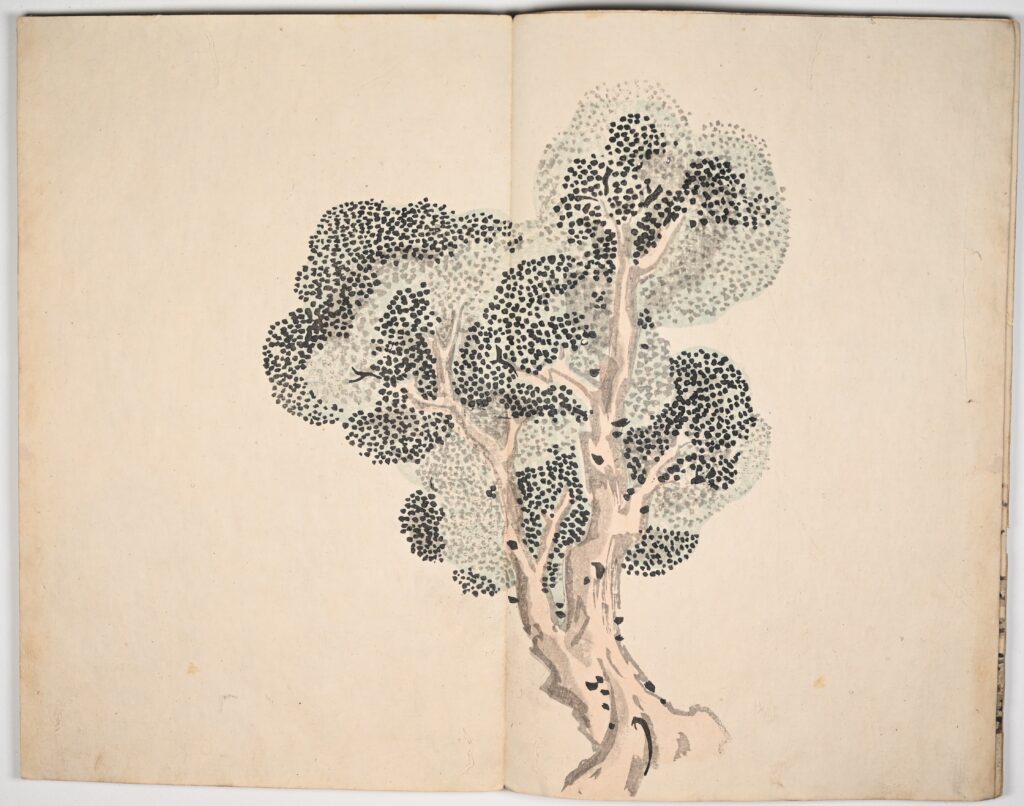
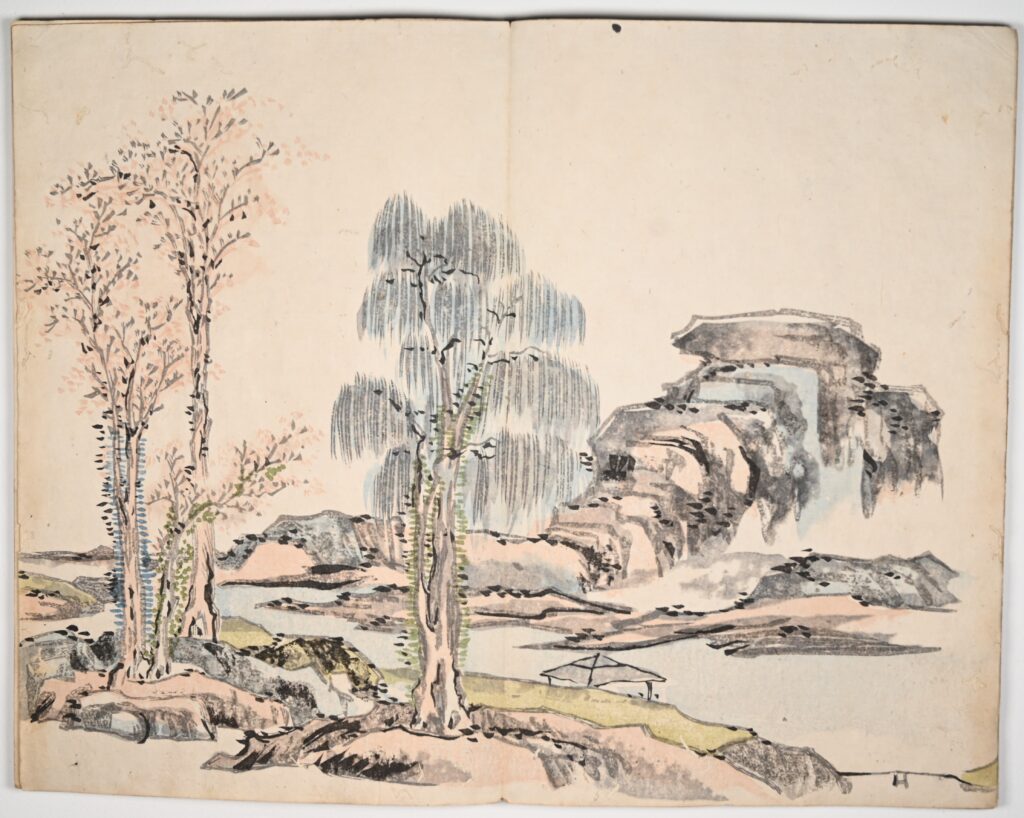
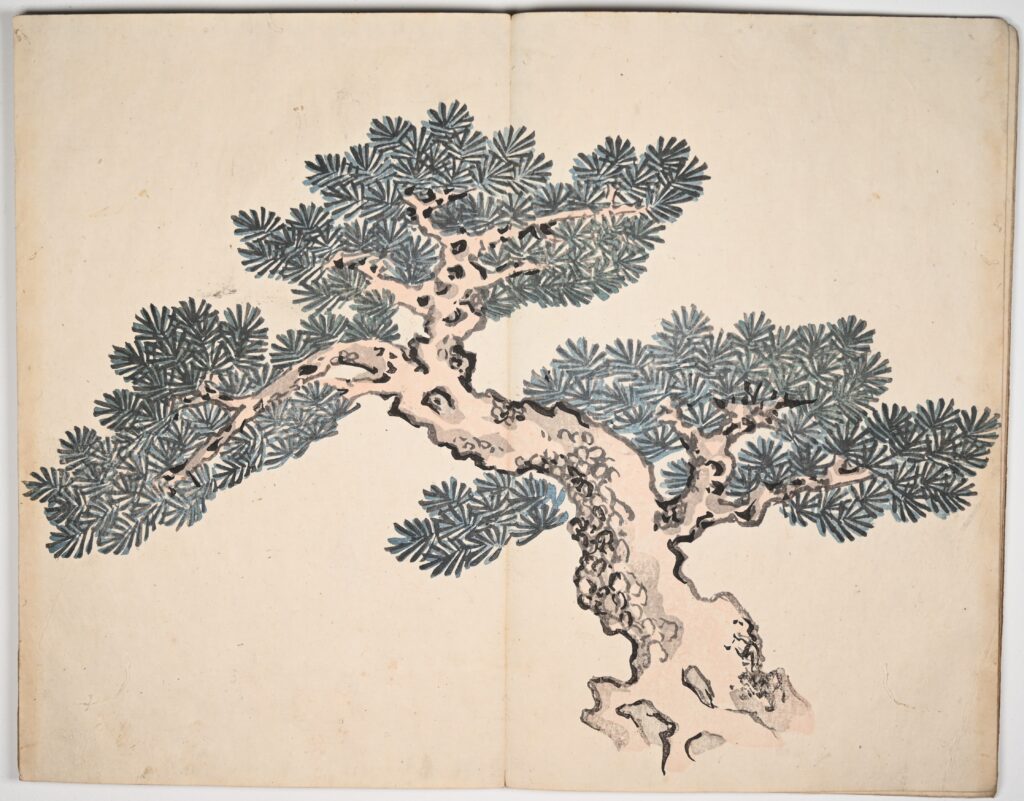
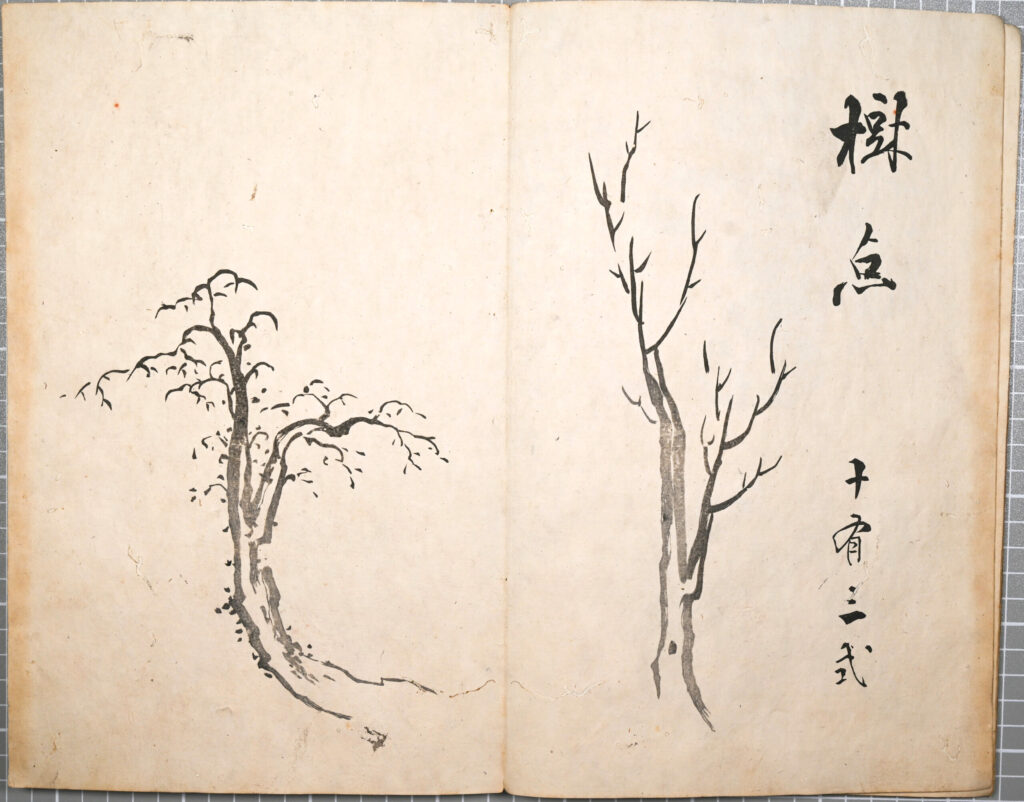
Juten jū-u-san-shiki 樹点 十有三式(Thirteen forms of tree-dotting)
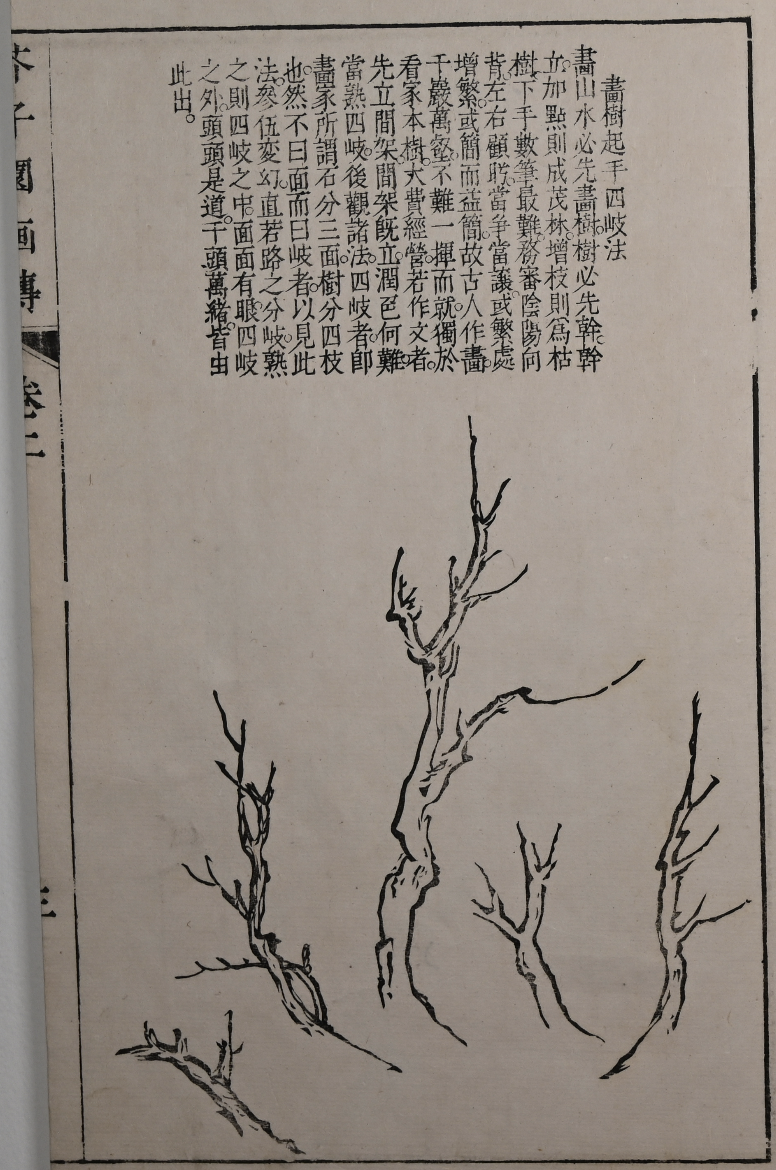
Four-fork method for trees, from the second volume of the Mustard Seed Garden Painting Manual (1753 edition). Pinkowitz Collection, 2024.21
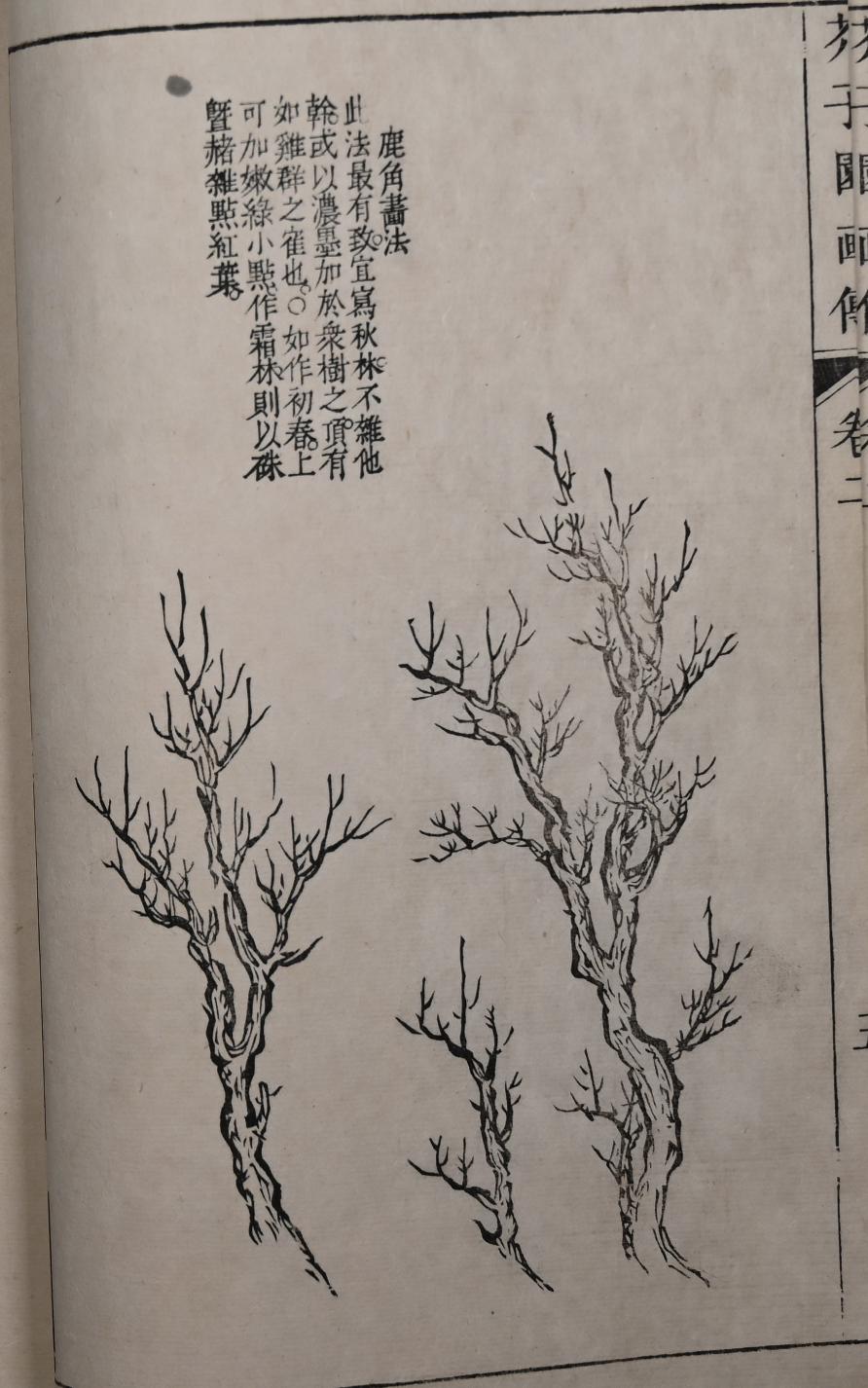
Deer-horn branches, from the second volume of the Mustard Seed Garden Painting Manual (1753 edition). Pinkowitz Collection, 2024.21
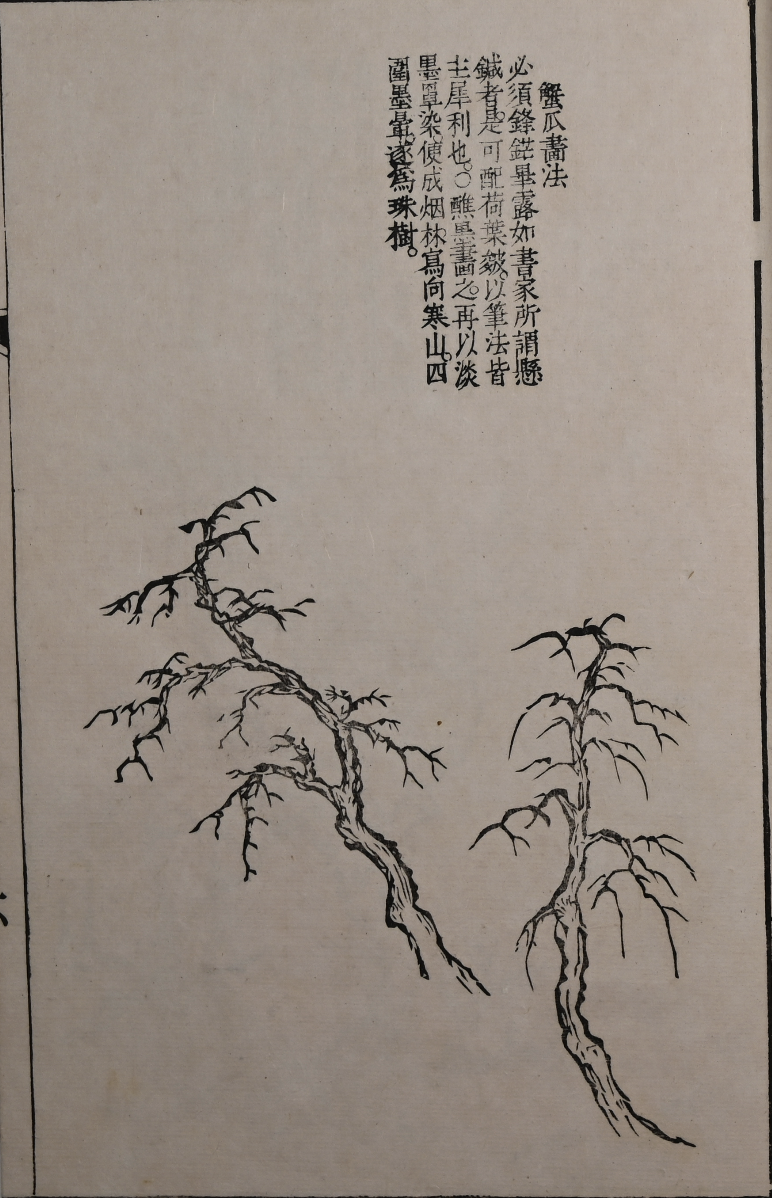
Crab-claw branches, from the second volume of the Mustard Seed Garden Painting Manual (1753 edition). Pinkowitz Collection, 2024.21
Collector's seal on the last page of preface: (rectangular relief seal) Nishino Tami zōshōin 西野民藏書印 [1.9 × 1.9 cm]
Block owner‘s seal on the colophon page: (rectangular relief seal) Taigadō shozōki 大雅堂所藏記 [5 × 4.7 cm]